News

What are the requirements for installing ball valves?

2025-12-25 0 Leave me a message

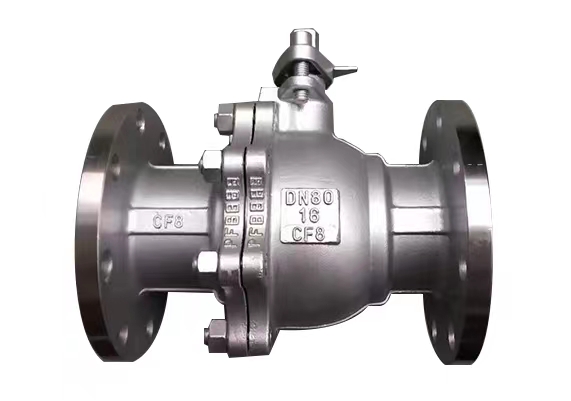
There are various specific requirements for the installation of ball valves to ensure their normal operation and long-term use.


The preparation work before installation is crucial. Carefully inspect the condition of the pipeline to ensure that it is coaxial and the two flange sealing surfaces are parallel. At the same time, ensure that the pipeline has sufficient strength to withstand the weight of the ball valve. If the strength is insufficient, support should be added. It is necessary to thoroughly remove impurities such as oil and welding slag from the pipeline to prevent them from entering the interior of the ball valve and causing damage to the sealing surface and other components. In addition, it is necessary to carefully check the markings of the ball valve, confirm that it is intact and undamaged, and operate the ball valve fully open and closed several times to verify whether its opening and closing actions are flexible and normal.


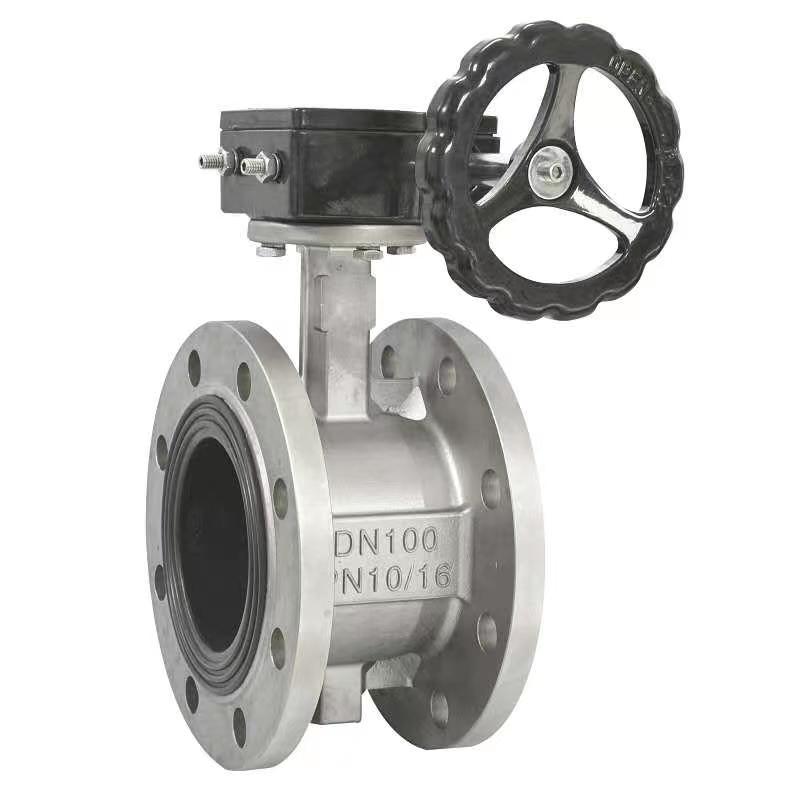
During installation, the ball valve can be installed at any end as the upstream end. For handle ball valves, their installation positions are relatively flexible; But ball valves with actuators such as gearboxes, pneumatic actuators, etc. should be installed upright as much as possible to keep the valve inlet and outlet horizontal. When connecting flanges, the sealing gasket should be placed according to the design requirements, and the bolts should be tightened symmetrically, gradually, and evenly to avoid leakage. It should be noted that the actuator should not be used as a lifting point during installation to avoid damage. If the ball valve is connected to the pipeline and there is a low hanging or external force bearing situation in the nearby pipeline, a bracket should be used to eliminate the deviation and ensure the stability of the pipeline.


After installation, a detailed inspection is still required. Start the ball valve first, perform multiple opening and closing operations, observe whether its action is flexible, whether the force is uniform, and whether the working state is normal. Afterwards, according to the pressure design requirements of the pipeline, the joint surface between the ball valve and the pipeline flange is subjected to pressure testing to check whether the sealing performance is good and ensure that no leakage occurs. Only in this way can it be put into use with confidence.


Related News
Leave me a message
X
We use cookies to offer you a better browsing experience, analyze site traffic and personalize content. By using this site, you agree to our use of cookies. Privacy Policy
Reject Accept