News

What should I do if there is leakage inside the check valve

2025-12-11

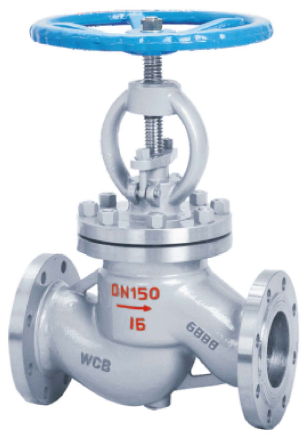
Check valves are essential fluid control products in modern industry and are currently one of the most widely used types of valves. Its derivative products are very extensive, including various types of valves such as cut-off type, regulating type, throttling type, needle type, and throttling cut-off venting type, which can quickly cut off the medium and also regulate and throttle the medium in the pipeline.


The installation direction of check valves is generally divided into two types, one is horizontal installation, that is, the valve stem of the valve is in a vertical direction, and the channel axis of the valve is parallel to the horizontal plane. Another type is the vertical installation direction, where the valve stem is parallel to the horizontal plane and the valve passage axis is perpendicular to the horizontal plane. The installation direction of valves is determined by the design institute's pipeline design, which means that both horizontal and vertical installation are common and inevitable installation methods. After the production and assembly of the globe valve are completed, a sealing performance test must be conducted, and only after passing the test can it be shipped. Usually, the valve has good sealing performance during testing, but internal leakage problems may occur when the valve is assembled into a vertical pipeline.

The sealing surface of check valves is usually divided into two types: flat sealing and conical sealing. Based on feedback from engineering applications, in the case of vertical installation of check valves, leakage often occurs in cone seal type globe valves, which usually leak during the first use after installation. However, the service life of flat seal globe valves installed horizontally and vertically is similar.


The structural relationship of the internal components of the check valve is that the upper end of the valve stem is constrained by the packing and the upper sealing seat, and the lower end of the valve stem is connected to the valve disc through a clearance fit. The sealing surface of the lower end of the valve disc is in contact with the sealing surface of the valve seat to form a seal. When the valve stem pushes the valve disc towards the valve seat, there can be good contact between the sealing surface of the valve seat and the valve disc. The axis of the valve disc sealing cone deviates from the axis of the valve seat sealing cone. When the valve stem pushes the valve disc towards the valve seat, the sealing surface cannot automatically align and seal, resulting in leakage. The inclination of the valve disc is the main factor causing internal leakage in valves. There are two reasons for excessive inclination of the valve disc. Firstly, there is an assembly gap between the valve disc and the valve stem, and the head of the valve disc will tilt downward due to gravity; The second issue is that when the valve stem is placed horizontally, it becomes a cantilever beam. Due to gravity, the valve stem undergoes downward bending deformation, which further exacerbates the tilt of the valve disc.


Related News
X
We use cookies to offer you a better browsing experience, analyze site traffic and personalize content. By using this site, you agree to our use of cookies. Privacy Policy
Reject Accept