News

What are the types of check valves

2025-12-09

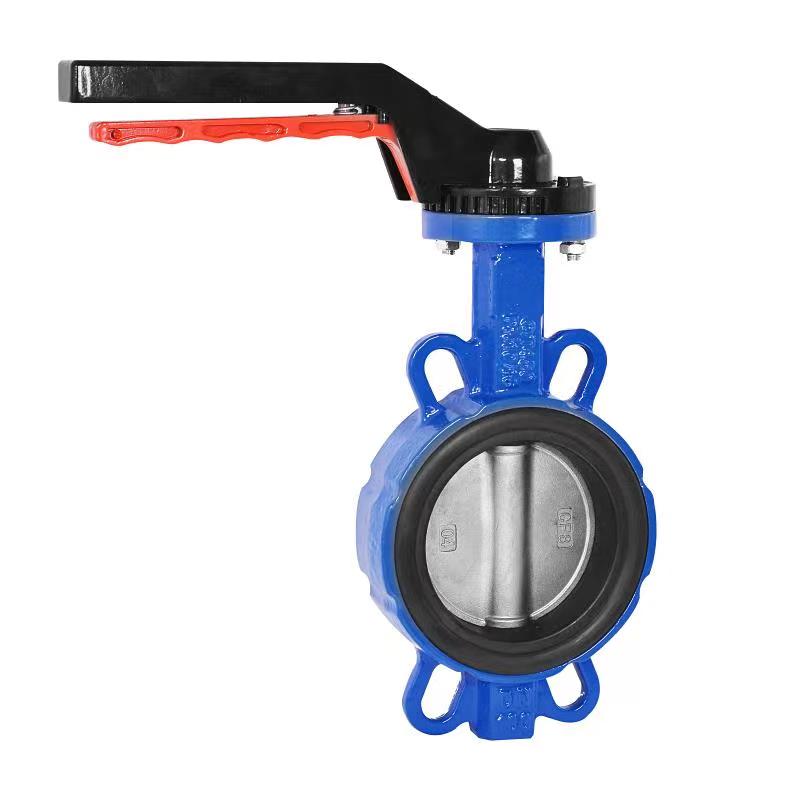
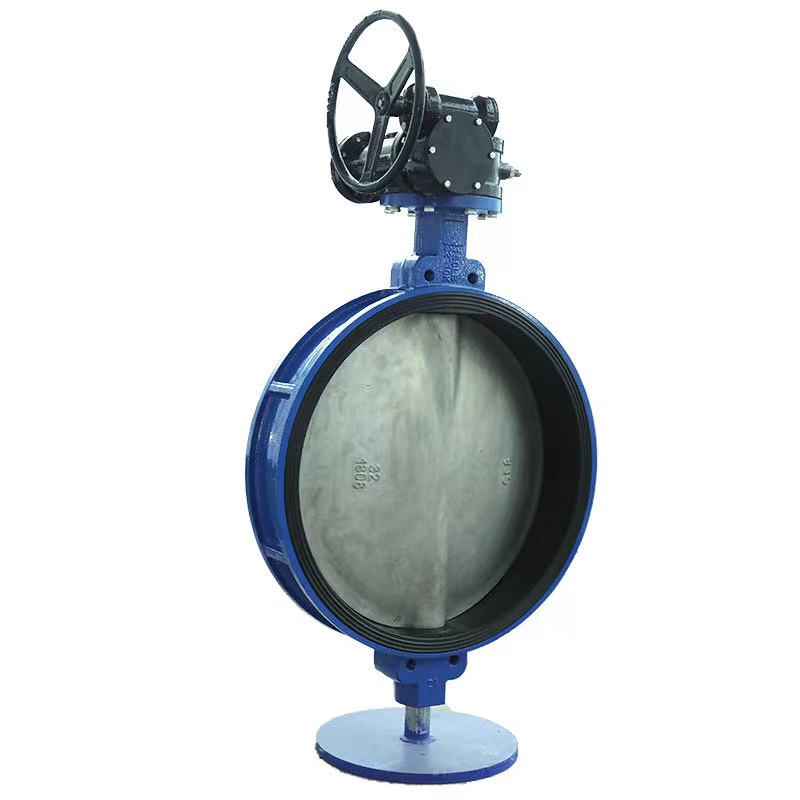
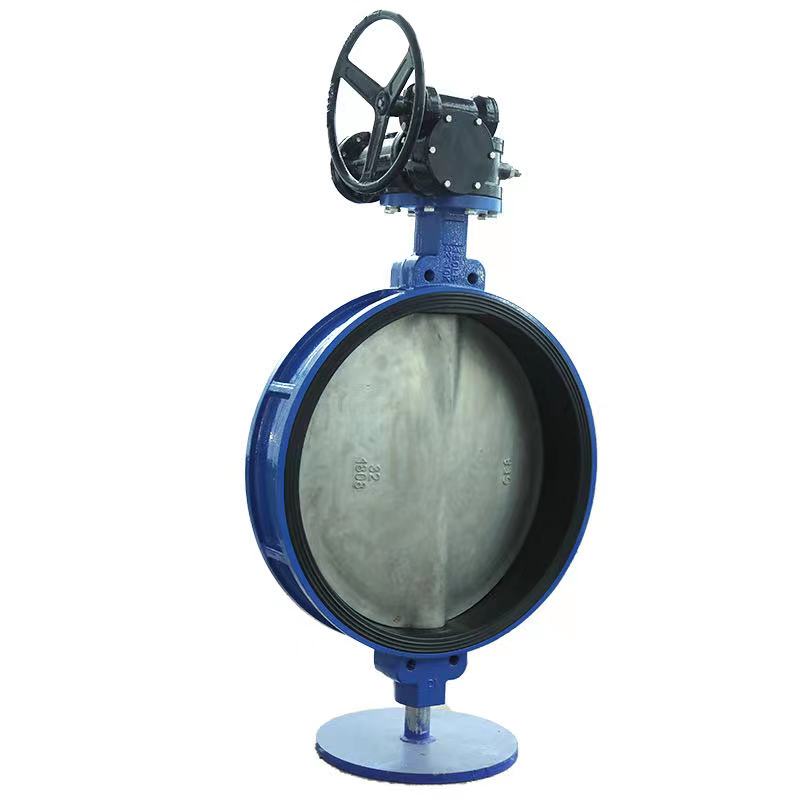
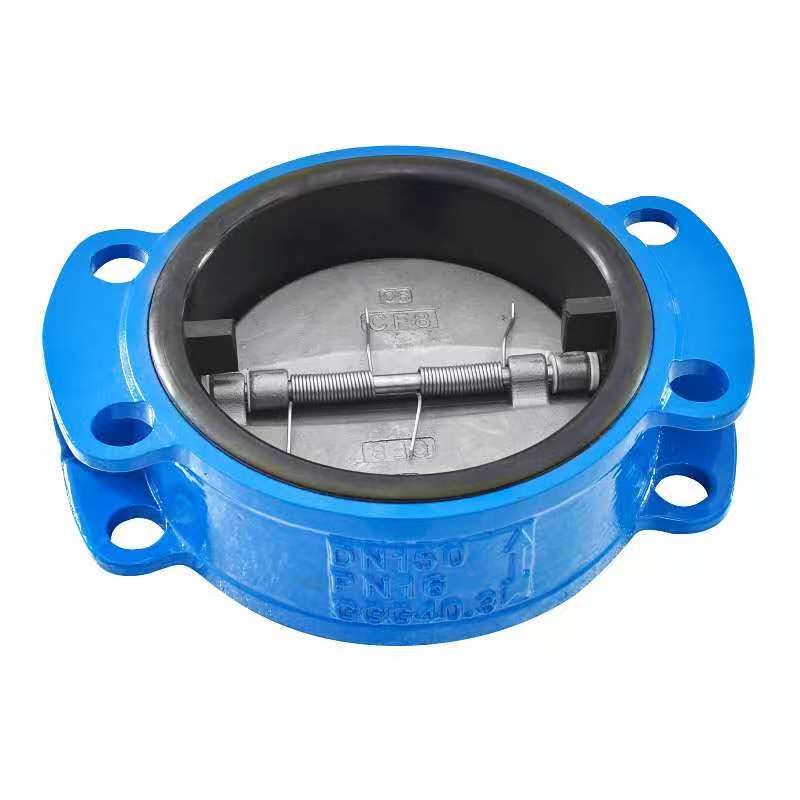
There are four types of check valves: lift and drop, swing, ball, and plate.


Lift check valve, also known as lift gate valve, controls the direction of fluid flow by opening or closing the gate up and down. It has good sealing performance and is suitable for high-pressure and high sealing requirements. It is commonly used in fields such as water supply and drainage, petrochemicals, and power generation. During maintenance, it is necessary to regularly apply lubricating grease to ensure flexible opening and closing; Regularly clean valves and sealing surfaces to ensure sealing integrity; Check for water and air leakage at the valve connection.


Swing check valve, also known as plug check valve, switches the fluid direction by rotating the valve body. It is easy to install, unrestricted by flow direction, stable in operation, and has strong pressure bearing capacity. It is commonly used in industries such as chemical, power, and environmental protection. The maintenance methods include: regularly applying lubricating grease; Regularly clean valves and sealing surfaces; Check the gap between the plug and the sealing surface to determine if sealing material needs to be applied.

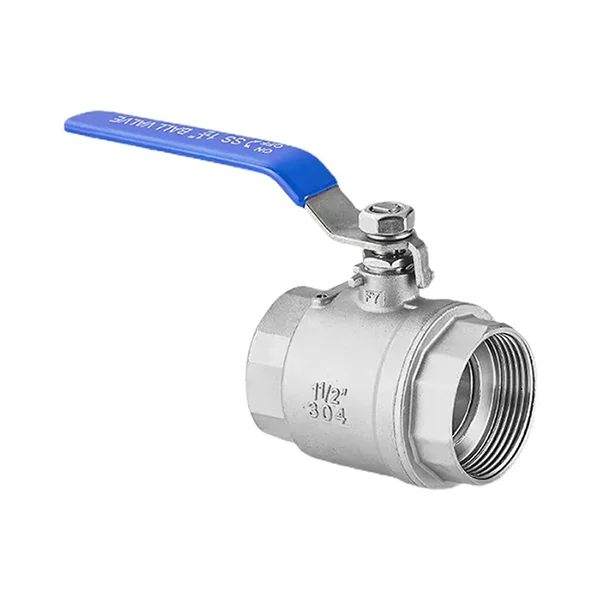
Ball check valve, also known as ball valve check valve, rotates to open and close. Compared with the swing type, it has a simple structure, light weight, corrosion resistance, but poor pressure bearing capacity, and is widely used in fields such as petroleum and chemical engineering. During maintenance, it is necessary to regularly apply lubricating grease; Regularly clean valves and sealing surfaces; Check the structure of the ball valve body to prevent wear or looseness.


Plate type check valve, also known as flip plate check valve, opens and closes by flipping the tree board. Its structure is simple and easy to maintain, suitable for low pressure and small flow range, commonly used in fields such as tap water and sewage treatment. The maintenance methods include: regularly applying lubricating grease; Regularly clean valves and sealing surfaces; Check the valve structure to prevent issues such as roller blades, fasteners, and scale buildup.


Related News
X
We use cookies to offer you a better browsing experience, analyze site traffic and personalize content. By using this site, you agree to our use of cookies. Privacy Policy
Reject Accept