News

How Can an Electric Hard Seal Butterfly Valve Improve Industrial Flow Control Efficiency?

2026-06-04 0 Leave me a message


Industrial facilities require reliable, precise, and durable flow control equipment to maintain operational stability. Whether used in chemical processing, water treatment, power generation, metallurgy, or petroleum industries, valve performance directly impacts system efficiency, safety, and maintenance costs.

Among the many valve types available today, the Electric Hard Seal Butterfly Valve has become a preferred solution for demanding applications where high temperature, high pressure, and abrasive media are involved. By combining the sealing strength of a metal-seated butterfly valve with the automation advantages of an electric actuator, this valve delivers outstanding control accuracy and long-term reliability.

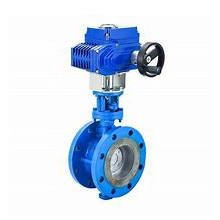
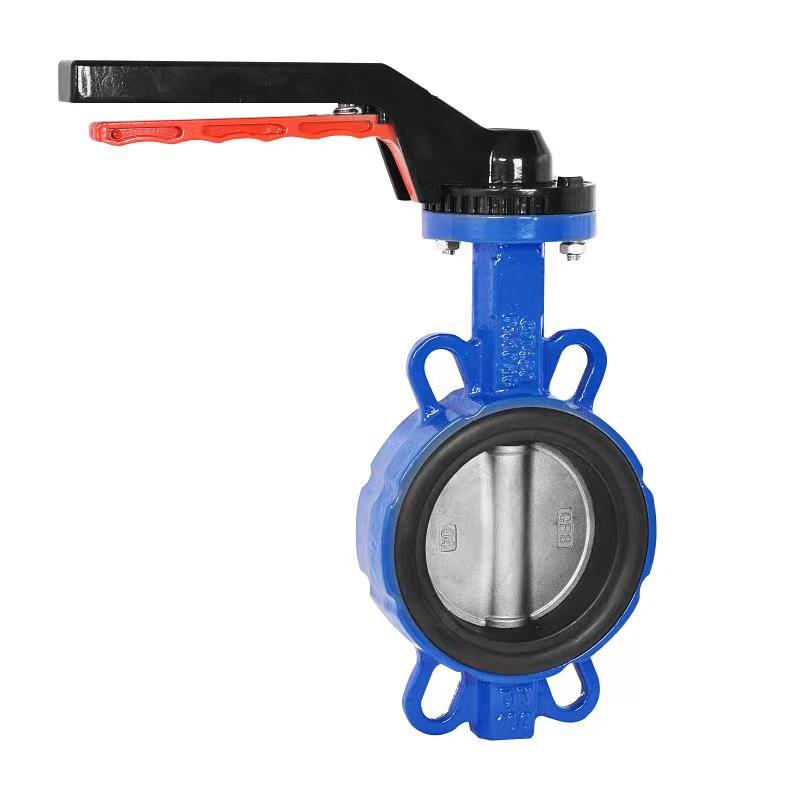
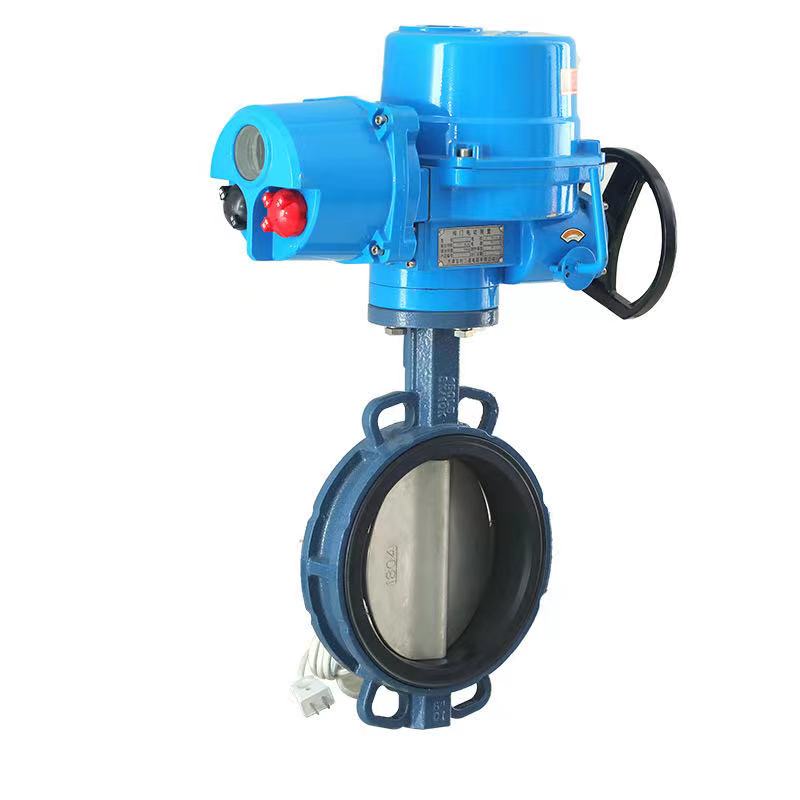
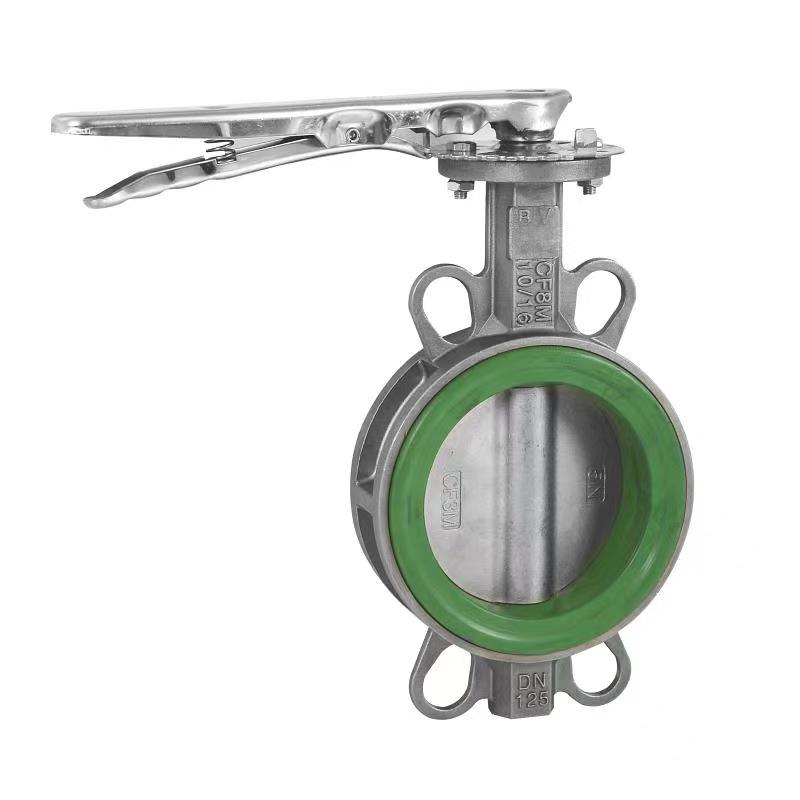
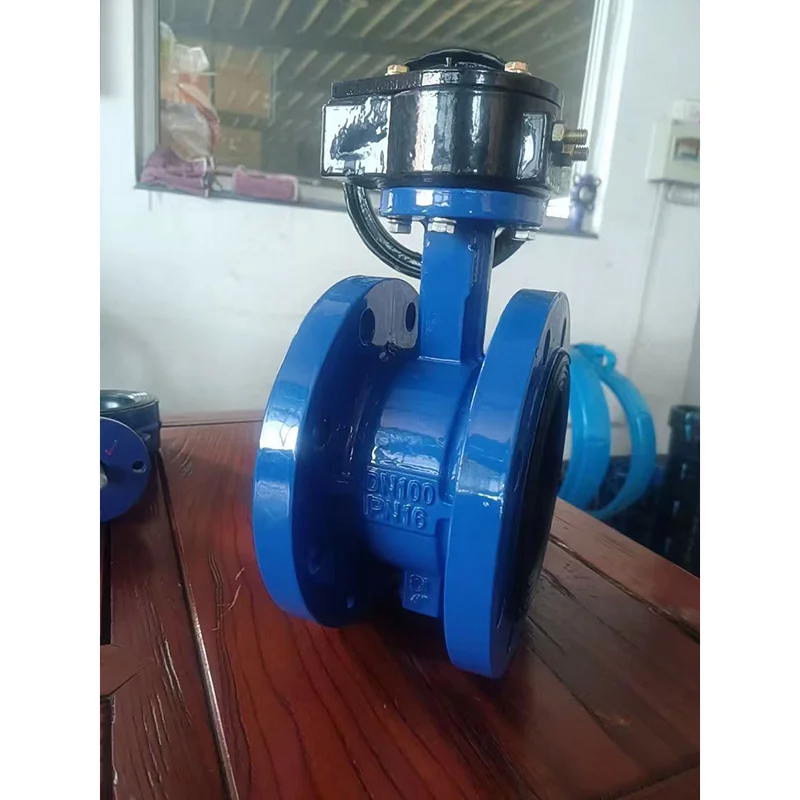
Electric Hard Seal Butterfly Valve

This article explores how an Electric Hard Seal Butterfly Valve works, its key benefits, common customer challenges, selection considerations, and why it has become an essential component in modern industrial systems.


Article Summary

An Electric Hard Seal Butterfly Valve integrates an electric actuator with a metal-seated butterfly valve to provide automated flow regulation in demanding industrial environments. It offers excellent sealing performance, reduced maintenance requirements, improved operational efficiency, and suitability for high-temperature and high-pressure applications. Understanding its features and selection criteria can help businesses improve system reliability while reducing operating costs.


Table of Contents


What Is an Electric Hard Seal Butterfly Valve?

An Electric Hard Seal Butterfly Valve is an automated butterfly valve equipped with an electric actuator and a metal-to-metal sealing structure. Unlike soft-seated butterfly valves that use rubber or PTFE seats, hard seal butterfly valves employ stainless steel or alloy sealing surfaces designed to withstand extreme operating conditions.

The electric actuator receives control signals from automation systems and rotates the valve disc to regulate or isolate fluid flow. This automation eliminates the need for manual operation while improving process accuracy.

Component Function
Electric Actuator Provides automated opening and closing control
Valve Body Contains and directs the flow medium
Butterfly Disc Rotates to regulate or stop flow
Metal Seat Provides durable sealing under harsh conditions
Stem Transfers actuator torque to the disc

Back to Top


How Does It Work?

The operating principle is straightforward. The electric actuator converts electrical energy into mechanical torque, rotating the butterfly disc inside the valve body.

  • 0° Position: Valve fully closed
  • 90° Position: Valve fully open
  • Intermediate Positions: Precise flow regulation

Advanced actuators can be integrated into PLC, DCS, or SCADA systems, allowing remote monitoring and automated process control.

Because of its quarter-turn operation, the valve responds quickly and efficiently compared with many multi-turn valve designs.


Common Industrial Challenges It Solves

Many facility operators face recurring issues with conventional valves. The Electric Hard Seal Butterfly Valve addresses several major operational challenges.

Customer Pain Point Solution Provided
Frequent seal wear Metal sealing surfaces offer longer service life
Manual operation inefficiency Electric automation improves productivity
High maintenance costs Durable construction reduces repairs
Difficulty controlling flow Precise actuator positioning improves regulation
Harsh operating conditions Suitable for high temperature and pressure environments
System downtime Reliable performance minimizes interruptions

For facilities operating continuously, reducing unexpected shutdowns can significantly improve profitability and production efficiency.


Key Advantages of Electric Hard Seal Butterfly Valves

1. Excellent Sealing Performance

The hard seal structure creates a reliable metal-to-metal sealing interface that performs well under demanding conditions. It maintains sealing effectiveness even when exposed to elevated temperatures or abrasive media.

2. High Temperature Resistance

Unlike rubber-seated valves, hard seal designs can withstand significantly higher temperatures, making them suitable for steam systems, thermal processing, and chemical operations.

3. Longer Service Life

Metal sealing surfaces are highly resistant to wear, reducing replacement frequency and lowering total ownership costs.

4. Automated Operation

Electric actuators eliminate the need for manual intervention and enable remote operation from centralized control rooms.

5. Improved Process Control

Accurate valve positioning allows operators to maintain consistent flow rates and optimize production processes.

6. Energy Efficiency

Butterfly valves generally have lower flow resistance than many alternative valve designs, helping reduce system energy consumption.

7. Compact Structure

Their lightweight and space-saving design simplifies installation in facilities where space is limited.


Typical Industrial Applications

Electric Hard Seal Butterfly Valves are widely used across multiple industries due to their versatility and durability.

Industry Application
Chemical Processing Corrosive fluid control systems
Water Treatment Flow regulation and isolation
Power Plants Steam and cooling water systems
Oil & Gas Pipeline automation
Metallurgy High-temperature process control
Mining Abrasive slurry handling
Paper Industry Pulp and process fluid management

These valves are especially valuable in facilities where reliability and automation are critical operational requirements.


Comparison with Other Valve Types

Feature Electric Hard Seal Butterfly Valve Soft Seal Butterfly Valve Gate Valve
Temperature Resistance Excellent Limited Good
Automation Compatibility Excellent Excellent Moderate
Maintenance Frequency Low Moderate Higher
Operating Speed Fast Fast Slow
Space Requirement Compact Compact Large
Service Life Long Moderate Long

This comparison highlights why many industrial operators are transitioning to hard seal butterfly valve solutions for automated systems.


How to Choose the Right Valve

Selecting the appropriate Electric Hard Seal Butterfly Valve requires evaluating several technical factors.

  • Operating pressure range
  • Fluid type and chemical properties
  • Working temperature
  • Flow rate requirements
  • Pipe diameter
  • Control signal specifications
  • Installation environment
  • Required certifications and standards

Before purchasing, it is recommended to work closely with an experienced manufacturer that can provide customized engineering support and application guidance.


Maintenance Best Practices

Although Electric Hard Seal Butterfly Valves require relatively little maintenance, following best practices can maximize service life.

  1. Perform regular visual inspections.
  2. Check actuator wiring and connections.
  3. Monitor sealing performance periodically.
  4. Inspect for abnormal vibration.
  5. Verify actuator calibration.
  6. Keep valve surfaces free from excessive contamination.
  7. Replace worn components during scheduled maintenance shutdowns.

Preventive maintenance helps ensure consistent valve performance and avoids costly emergency repairs.


Why Choose Tanggu Shengshi Huagong?

Tanggu Shengshi Huagong specializes in the design and manufacturing of industrial valve solutions for demanding operating environments. With a strong focus on quality control, engineering innovation, and customer support, the company provides reliable Electric Hard Seal Butterfly Valves that meet the performance expectations of modern industries.

Customers benefit from:

  • Professional engineering expertise
  • Strict manufacturing standards
  • Customized valve solutions
  • Reliable product quality
  • Responsive technical support
  • Competitive project solutions

Whether your project involves chemical processing, water treatment, power generation, or industrial automation, Tanggu Shengshi Huagong can provide valve solutions designed for long-term performance and operational reliability.


Frequently Asked Questions

Q1: What is the main advantage of a hard seal butterfly valve?

The primary advantage is its ability to withstand high temperatures, high pressures, and abrasive media while maintaining reliable sealing performance.

Q2: Can electric hard seal butterfly valves be remotely controlled?

Yes. Electric actuators can be integrated with PLC, DCS, and SCADA systems for remote monitoring and operation.

Q3: Are these valves suitable for steam applications?

Yes. Many hard seal butterfly valves are specifically designed for steam and high-temperature services.

Q4: How long do hard seal butterfly valves typically last?

Service life depends on operating conditions, but metal-seated designs generally offer significantly longer durability than soft-seated alternatives.

Q5: Which industries commonly use these valves?

Chemical, water treatment, oil and gas, power generation, mining, metallurgy, and paper manufacturing industries commonly utilize them.


Conclusion

The Electric Hard Seal Butterfly Valve represents an ideal combination of durability, automation, and flow control precision. Its ability to perform reliably under harsh operating conditions makes it a valuable investment for industrial facilities seeking improved efficiency, reduced maintenance costs, and enhanced process control.

As industrial systems continue moving toward higher levels of automation and reliability, demand for advanced valve technologies will continue to grow. Choosing a trusted manufacturer is essential to achieving long-term operational success.

Tanggu Shengshi Huagong is committed to delivering high-quality industrial valve solutions tailored to your specific application requirements. If you are looking for a dependable Electric Hard Seal Butterfly Valve that can improve efficiency, reliability, and system performance, contact us today to discuss your project and receive professional technical support and customized recommendations.


Related News
Leave me a message
X
We use cookies to offer you a better browsing experience, analyze site traffic and personalize content. By using this site, you agree to our use of cookies.Privacy Policy
RejectAccept