News

How Flanged Ball Valve Improves Industrial Flow Control Efficiency?

2026-03-27 0 Leave me a message

Abstract

Flanged ball valves are widely used in industrial piping systems due to their durability, tight sealing performance, and ease of installation. However, many buyers struggle with selecting the right valve type, understanding performance differences, and ensuring long-term reliability. This article explores how flanged ball valves improve flow control efficiency, addresses common customer pain points, and provides practical guidance for selecting and maintaining the right valve for your application.

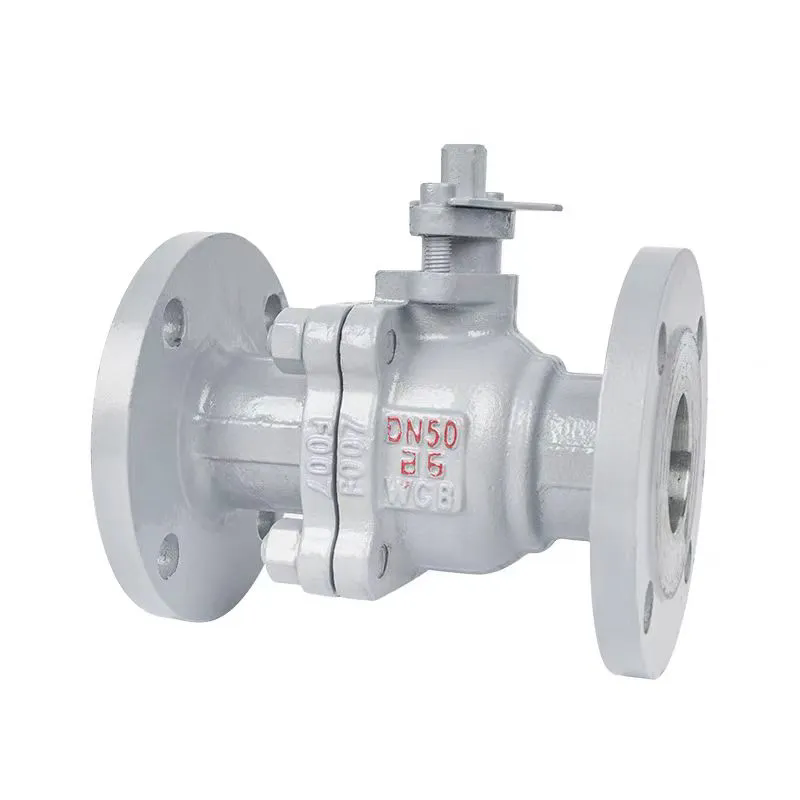
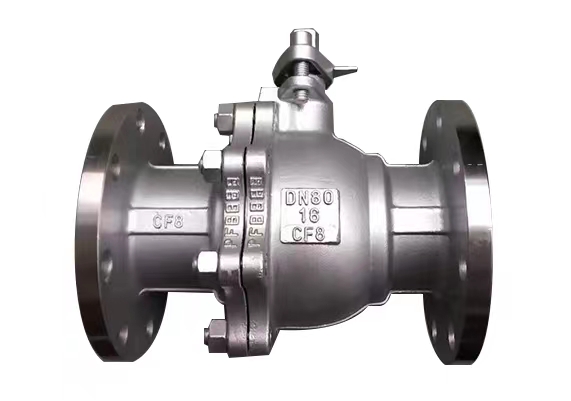
Cast Steel Flange Ball Valve

Table of Contents


1. Introduction to Flanged Ball Valve

A flanged ball valve is a quarter-turn valve designed to control fluid flow through a spherical ball with a bore. The valve connects to pipelines via flanges, ensuring a secure and leak-proof installation. These valves are commonly used in oil & gas, chemical processing, water treatment, and power generation industries.

Compared to threaded or welded connections, flanged connections offer easier installation, disassembly, and maintenance—making them highly suitable for large-scale industrial systems.


2. How Flanged Ball Valve Works

The working principle of a flanged ball valve is straightforward yet highly effective:

  • The valve contains a hollow ball with a central hole (bore).
  • When the handle rotates 90 degrees, the bore aligns with the pipeline, allowing flow.
  • Rotating the handle again blocks the flow completely.

This quarter-turn operation ensures quick shutoff and minimal pressure drop, making it ideal for systems requiring fast and reliable control.


3. Key Advantages of Flanged Ball Valve

  • Excellent Sealing Performance: Provides tight shutoff even under high pressure.
  • Durability: Suitable for harsh environments and long-term use.
  • Low Flow Resistance: Minimal turbulence and pressure loss.
  • Easy Maintenance: Flanged design simplifies inspection and replacement.
  • Wide Compatibility: Works with various media including liquids, gases, and slurries.

These advantages directly translate into improved operational efficiency and reduced downtime.


4. Common Customer Pain Points

Despite their benefits, customers often face several challenges when purchasing flanged ball valves:

  • Uncertainty about material compatibility with specific media
  • Difficulty selecting the correct pressure and temperature rating
  • Concerns about leakage and sealing reliability
  • High maintenance costs due to poor-quality valves
  • Confusion between full bore and reduced bore designs

Understanding these issues is crucial to making an informed decision.


5. How to Choose the Right Flanged Ball Valve

Selecting the right valve involves evaluating several technical parameters:

  • Pressure Rating: Ensure the valve matches system pressure requirements.
  • Temperature Range: Choose materials that withstand operating temperatures.
  • Media Type: Corrosive fluids require special materials like stainless steel.
  • Valve Size: Must align with pipeline diameter.
  • Connection Standard: ANSI, DIN, or JIS compatibility.

Working with a reliable manufacturer such as Shengshi Huagong Valve can significantly reduce the risk of improper selection and ensure consistent product quality.


6. Materials and Specifications Comparison

Material Advantages Best Application
Stainless Steel Corrosion-resistant, durable Chemical and food industries
Carbon Steel High strength, cost-effective Oil & gas pipelines
Cast Iron Affordable, good for low pressure Water systems
Brass Good corrosion resistance Residential and light industrial use

7. Installation and Maintenance Tips

  • Ensure flange alignment to avoid stress on the valve body.
  • Use appropriate gaskets to prevent leakage.
  • Tighten bolts evenly using a cross pattern.
  • Regularly inspect seals and seats for wear.
  • Operate the valve periodically to prevent sticking.

Proper installation and maintenance can extend the valve lifespan significantly and reduce operational risks.


8. Application Scenarios

Flanged ball valves are widely used across multiple industries:

  • Oil and gas transmission systems
  • Chemical processing plants
  • Water supply and wastewater treatment
  • Power generation facilities
  • Pharmaceutical manufacturing

Their versatility makes them a preferred choice for both high-pressure and standard applications.


9. FAQ

  • Q1: What is the difference between full bore and reduced bore?
    Full bore valves allow maximum flow with minimal pressure drop, while reduced bore valves are more compact and cost-effective.
  • Q2: How long does a flanged ball valve last?
    With proper maintenance, high-quality valves can last 10–20 years or more.
  • Q3: Can flanged ball valves handle high pressure?
    Yes, they are designed for high-pressure applications when properly rated.
  • Q4: Are they suitable for corrosive media?
    Yes, especially when made from stainless steel or specialized alloys.
  • Q5: How often should maintenance be performed?
    Routine inspection every 6–12 months is recommended depending on usage.

Conclusion

Flanged ball valves play a critical role in improving industrial flow control efficiency by offering reliable sealing, quick operation, and long-term durability. By understanding their working principles, advantages, and selection criteria, businesses can avoid common pitfalls and optimize system performance.

If you are looking for high-quality and reliable valve solutions, Shengshi Huagong Valve provides a wide range of flanged ball valves designed to meet diverse industrial needs. Contact us to get expert support and customized solutions tailored to your application.

Related News
Leave me a message
X
We use cookies to offer you a better browsing experience, analyze site traffic and personalize content. By using this site, you agree to our use of cookies. Privacy Policy
Reject Accept