News

How Does Hard Sealed Butterfly Valve Perform in Industrial Flow Control Systems?

2026-04-17 0 Leave me a message

Abstract

A Hard Sealed Butterfly Valve is a critical component in modern industrial pipelines where high temperature, high pressure, and abrasive media are present. Unlike soft-seal designs, it provides enhanced durability, superior leakage resistance, and long service life under demanding operating conditions. This article explores its structure, working principles, advantages, applications, and selection criteria, helping engineers and procurement specialists make informed decisions when choosing flow control solutions.

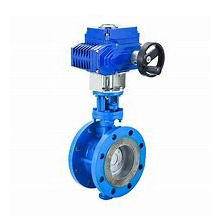
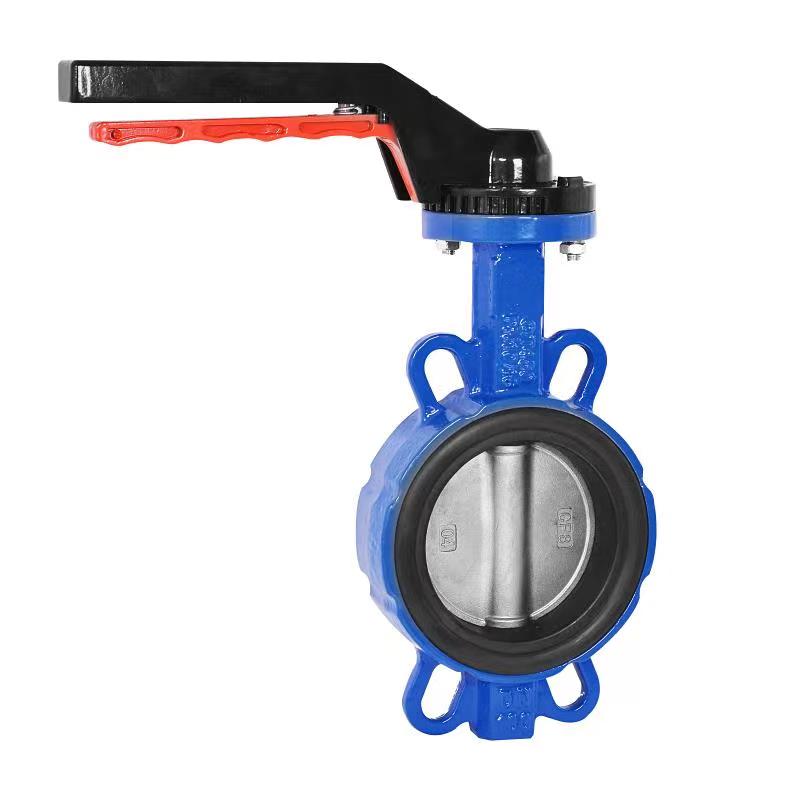
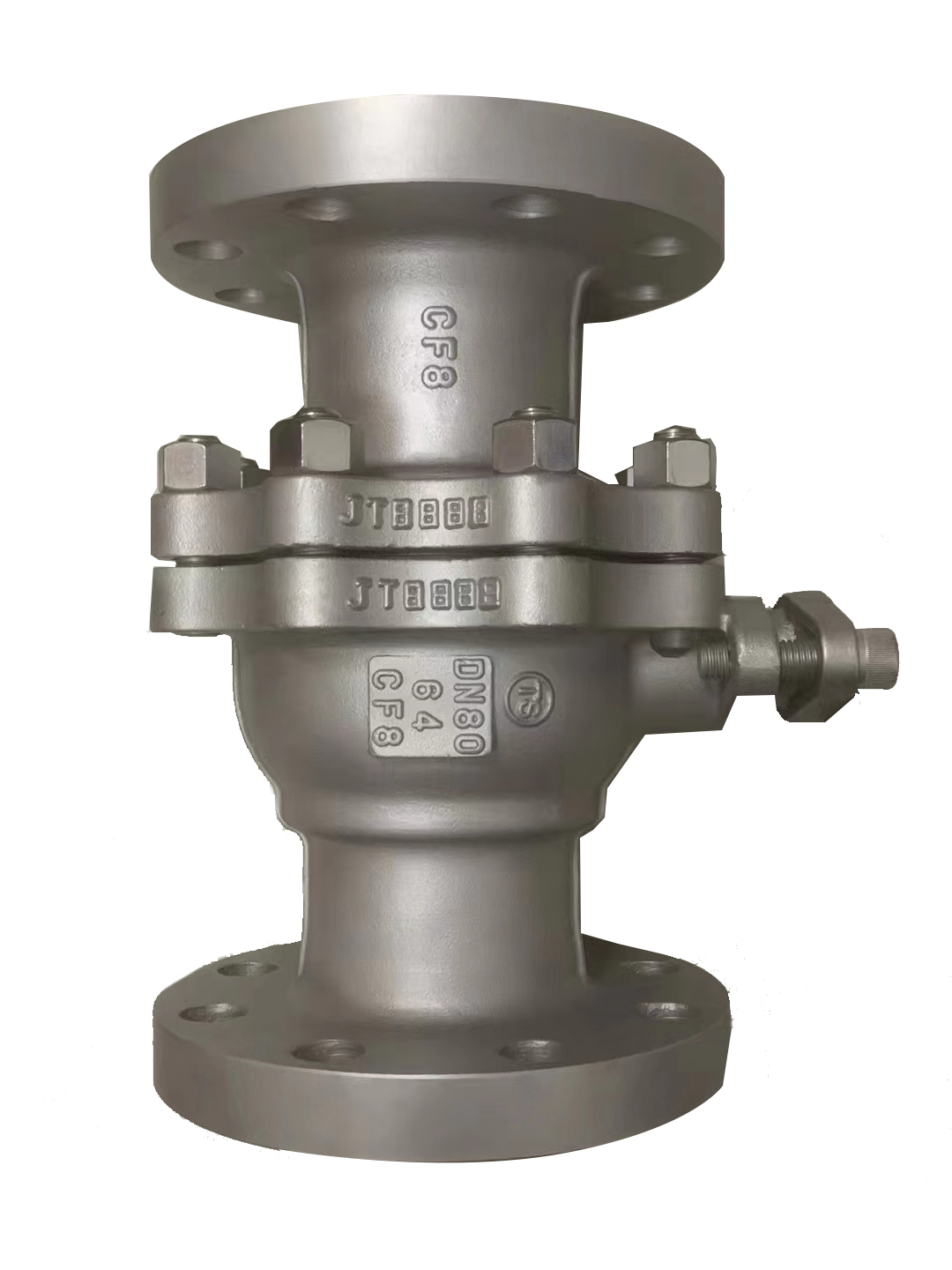
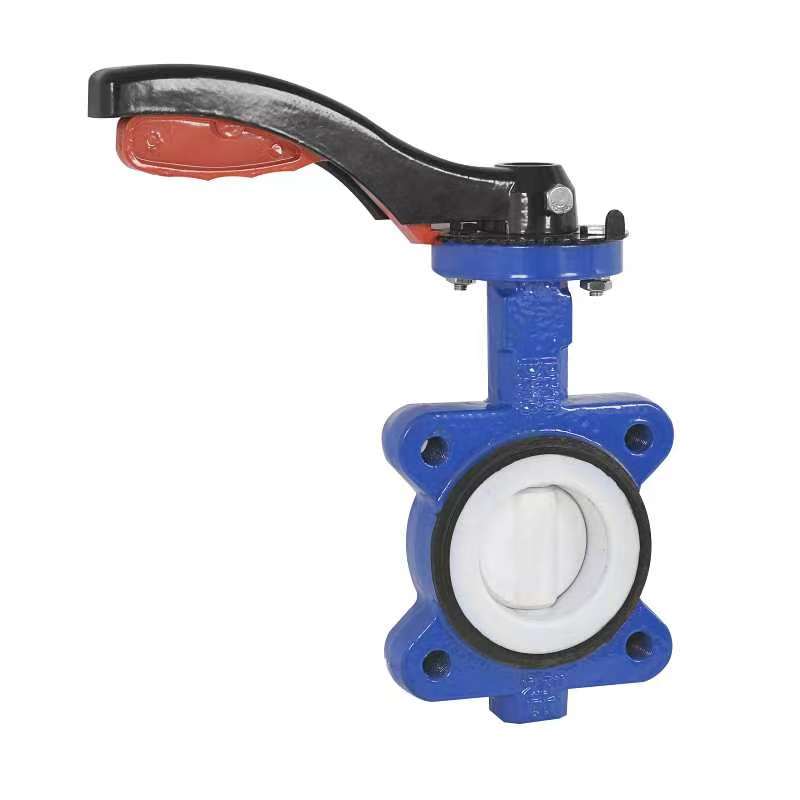
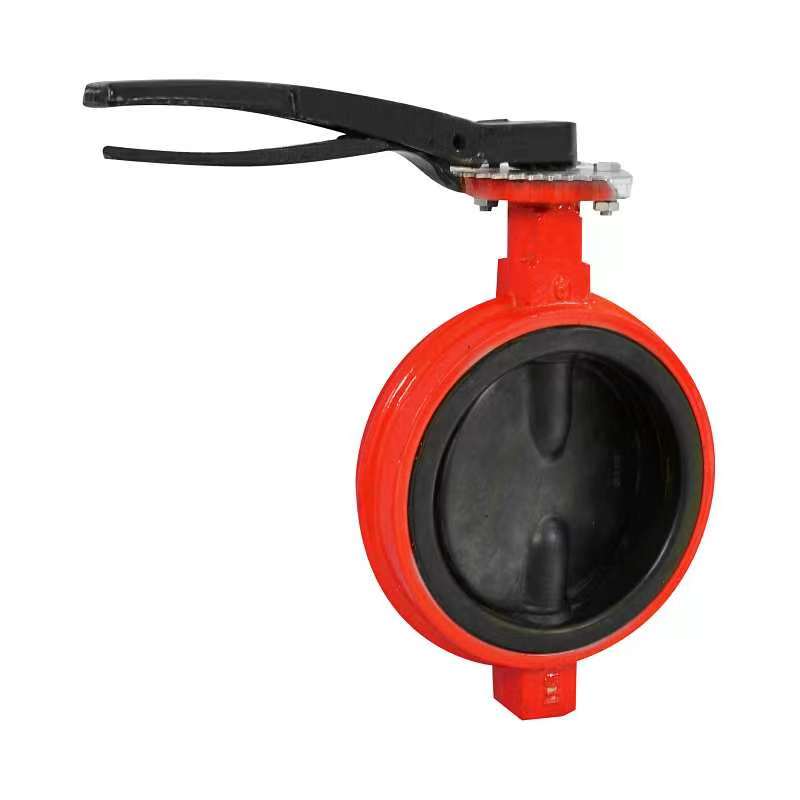
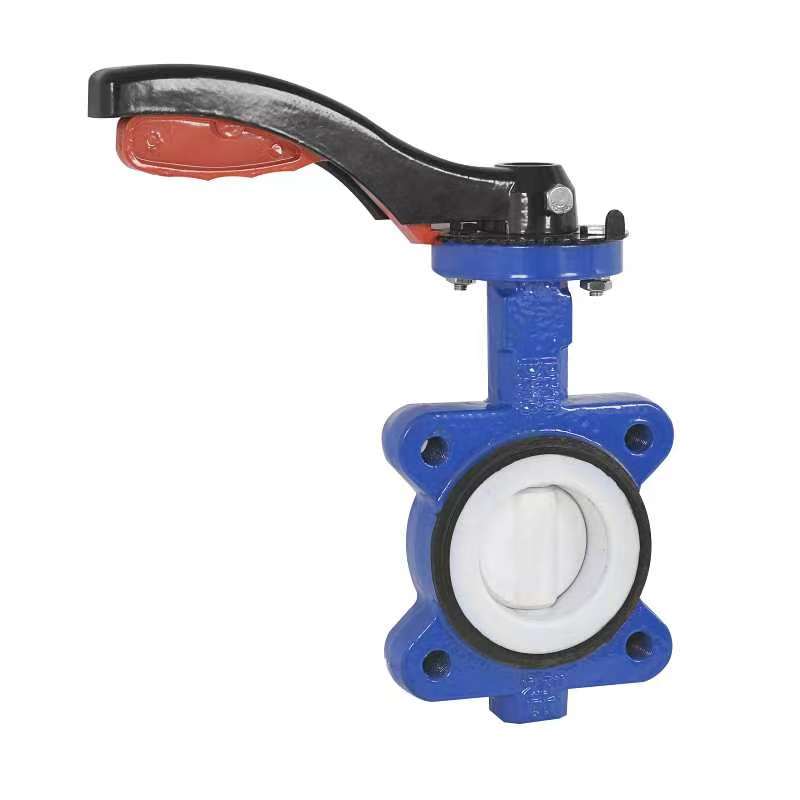
Electric Hard Seal Butterfly Valve

Table of Contents


1. Introduction to Hard Sealed Butterfly Valve

In industrial fluid handling systems, valves are essential for regulating flow, isolating pipelines, and ensuring safe operations. Among various valve types, the Hard Sealed Butterfly Valve is widely recognized for its ability to withstand extreme working environments. It is especially suitable for applications involving steam, corrosive fluids, abrasive slurries, and high-pressure gases.

Compared with conventional soft-seal butterfly valves, the hard-seal structure uses metal-to-metal sealing surfaces, significantly improving wear resistance and temperature tolerance. This makes it a preferred choice in metallurgy, petrochemical, power generation, and water treatment industries.


2. What is a Hard Sealed Butterfly Valve?

A Hard Sealed Butterfly Valve is a quarter-turn rotational motion valve that uses a disc to regulate flow. The sealing surfaces between the valve seat and disc are typically constructed from hardened alloys such as stainless steel, Stellite, or other wear-resistant materials.

  • Metal-to-metal sealing structure
  • High temperature resistance (often above 400°C)
  • High pressure adaptability
  • Long operational lifespan in harsh environments

This structure eliminates reliance on elastomer seals, which tend to degrade under thermal or chemical stress.


3. Working Principle

The operation of a Hard Sealed Butterfly Valve is based on a simple rotational mechanism. The valve disc is mounted on a rotating shaft positioned in the center of the pipeline.

  • Open position: The disc rotates parallel to flow direction, allowing maximum passage.
  • Closed position: The disc rotates perpendicular to flow, sealing against the valve seat.
  • Control function: Partial rotation regulates flow rate precisely.

The sealing is achieved through precise machining between metal surfaces, ensuring minimal leakage even under high-pressure differentials.


4. Key Advantages

  • High Temperature Resistance: Suitable for extreme heat environments such as boilers and thermal plants.
  • Wear Resistance: Metal sealing reduces degradation caused by abrasive media.
  • Extended Service Life: Durable design reduces replacement frequency.
  • Stable Performance: Maintains sealing integrity under fluctuating pressure.
  • Wide Media Compatibility: Handles gases, liquids, and slurry-based materials.

These advantages make it a reliable solution for continuous industrial operations where downtime is costly.


5. Materials and Structural Design

The performance of a Hard Sealed Butterfly Valve heavily depends on material selection and structural engineering. Below is a simplified breakdown:

Component Common Materials Function
Valve Body Carbon steel, stainless steel Structural integrity and pressure containment
Disc Stainless steel, alloy steel Flow regulation element
Seat Hard alloy, Stellite overlay Sealing interface
Shaft High-strength steel Rotational torque transmission

Precision machining and surface hardening processes are essential to ensure long-term sealing performance.


6. Industrial Applications

  • Petrochemical processing plants
  • Thermal power stations
  • Metallurgical industries
  • Cement production systems
  • Water treatment facilities
  • High-pressure steam pipelines

In these environments, conventional valves often fail due to erosion or thermal deformation, making hard-seal designs essential.


7. Selection and Purchasing Considerations

When selecting a Hard Sealed Butterfly Valve, engineers should evaluate the following parameters:

  • Operating temperature range
  • System pressure rating
  • Media characteristics (corrosive, abrasive, viscous)
  • Leakage class requirements
  • Connection type (wafer, flange, welded)

Incorrect selection can lead to premature wear or system inefficiency, especially in high-cycle applications.


8. Maintenance and Troubleshooting

  • Regular inspection of sealing surfaces for wear
  • Lubrication of shaft and bearing components
  • Checking torque resistance changes
  • Monitoring leakage levels during operation

Although hard-seal valves require less frequent maintenance than soft-seal types, periodic inspection is still essential to ensure long-term reliability.


9. Hard Seal vs Soft Seal Comparison

Feature Hard Sealed Butterfly Valve Soft Sealed Butterfly Valve
Temperature Resistance High Low to Medium
Sealing Material Metal Rubber/PTFE
Durability Very High Moderate
Application Range Industrial heavy-duty systems General water and HVAC systems

10. Why Shengshi Huagong

Shengshi Huagong specializes in high-performance industrial valve manufacturing with a strong focus on durability, precision engineering, and operational safety. Our Hard Sealed Butterfly Valve products are designed to meet the rigorous demands of global industries, ensuring consistent performance even in extreme environments.

With advanced machining technology, strict quality control systems, and continuous innovation, Shengshi Huagong provides reliable flow control solutions that help customers reduce downtime and improve operational efficiency.


FAQ

Q1: What makes hard sealed butterfly valves different from soft sealed ones?
A: They use metal-to-metal sealing instead of elastomers, making them suitable for high temperature and high-pressure environments.

Q2: Can they handle corrosive media?
A: Yes, with appropriate material selection such as stainless steel or alloy coatings, they perform well in corrosive environments.

Q3: Are they suitable for throttling control?
A: Yes, but they are primarily designed for on/off isolation and heavy-duty flow control rather than precise throttling.

Q4: How long is the service life?
A: Under proper operation, they can last significantly longer than soft-seal valves, often several years in industrial systems.


Conclusion

The Hard Sealed Butterfly Valve is an essential component in demanding industrial systems where reliability, durability, and safety are non-negotiable. Its robust design, metal sealing structure, and wide application range make it a preferred solution for engineers worldwide.

Shengshi Huagong continues to deliver advanced valve technologies tailored to complex industrial challenges, ensuring long-term performance and operational stability.

For customized solutions, technical support, or product inquiries, please contact us at Shengshi Huagong. Our engineering team is ready to assist you with professional guidance and tailored valve solutions that meet your exact requirements.

👉 contact us today to discuss your project needs and receive expert support from Shengshi Huagong.

Related News
Leave me a message
X
We use cookies to offer you a better browsing experience, analyze site traffic and personalize content. By using this site, you agree to our use of cookies. Privacy Policy
Reject Accept