News

How Does a Flange Check Valve Improve Industrial Pipeline Safety?

2026-05-29 0 Leave me a message


Flange check valves play a critical role in industrial piping systems by preventing reverse flow, protecting pumps, compressors, and pipelines from damage. From water treatment plants to chemical processing facilities, these valves help maintain system efficiency, reduce maintenance costs, and improve operational safety. This article explains how flange check valves work, their key benefits, installation considerations, common application scenarios, and how to choose the right valve for your industrial needs.

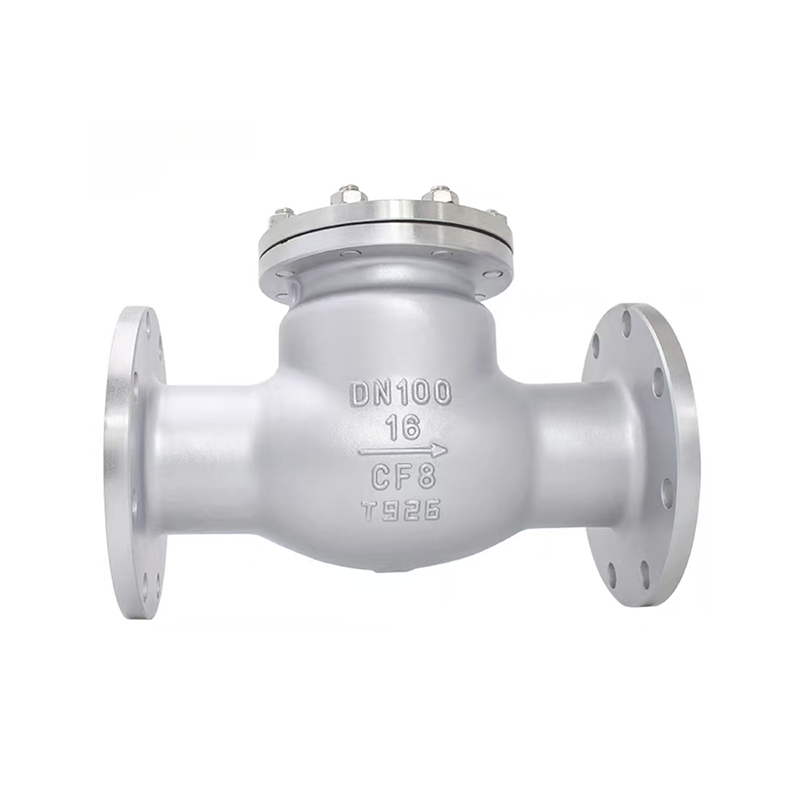
Stainless Steel Swing Check Valve


What Is a Flange Check Valve?

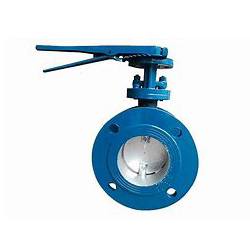
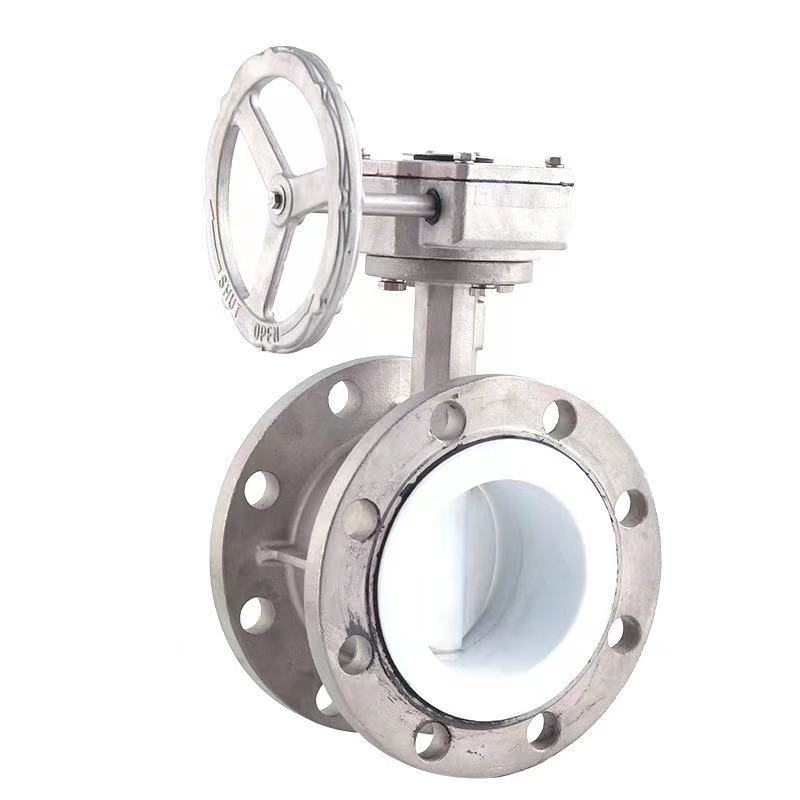
A flange check valve is a type of automatic valve designed to allow fluid flow in one direction while preventing reverse flow. The valve uses flange connections for secure installation into industrial piping systems. Unlike manually operated valves, check valves work automatically based on system pressure.

When fluid moves in the intended direction, the valve opens automatically. If reverse flow occurs, the valve closes immediately to protect pumps, pipelines, and equipment from pressure surges and backflow damage.

Flanged connections provide excellent sealing performance and structural stability, making these valves ideal for high-pressure and large-diameter applications.

Feature Description
Function Prevents reverse fluid flow
Connection Type Flanged ends
Operation Automatic pressure-based operation
Applications Water, oil, gas, chemical, HVAC systems

How Does a Flange Check Valve Work?

The operating principle of a flange check valve is relatively simple but highly effective. The valve opens when forward fluid pressure exceeds the cracking pressure. Once the flow stops or reverses, the internal disc automatically returns to the closed position.

Different valve designs use different closing mechanisms:

  • Swing check valves use a hinged disc.
  • Lift check valves use vertical disc movement.
  • Dual plate check valves use spring-assisted plates.
  • Silent check valves reduce water hammer effects.

This automatic mechanism helps protect industrial systems from:

  • Backflow contamination
  • Pump reversal damage
  • Water hammer
  • Pressure instability
  • Pipeline leakage
Important: Reverse flow can seriously damage expensive industrial equipment. Installing a reliable flange check valve is one of the most cost-effective ways to improve pipeline safety and operational reliability.

Main Benefits of Flange Check Valves

Industrial facilities choose flange check valves because they provide long-term operational advantages.

Improved System Protection

The valve prevents reverse flow that may damage pumps, compressors, and sensitive equipment.

Reduced Maintenance Costs

Automatic flow control reduces wear and minimizes costly system downtime.

Leak Prevention

Flanged connections provide strong sealing performance under high pressure conditions.

Long Service Life

High-quality valve materials improve corrosion resistance and operational durability.


Common Types of Flange Check Valves

Different industrial systems require different check valve designs. Selecting the correct type improves performance and reliability.

Valve Type Main Feature Typical Application
Swing Check Valve Low pressure loss Water treatment systems
Lift Check Valve Reliable sealing Steam pipelines
Dual Plate Check Valve Compact structure Oil and gas systems
Silent Check Valve Water hammer reduction HVAC systems

Industrial Applications

Flange check valves are widely used across multiple industries because of their reliability and simple automatic operation.

  • Water supply systems
  • Wastewater treatment plants
  • Oil and gas pipelines
  • Petrochemical facilities
  • Power generation plants
  • Marine engineering systems
  • HVAC circulation systems
  • Industrial pump stations

In chemical processing environments, corrosion-resistant materials such as stainless steel are often preferred. In high-pressure systems, carbon steel or forged steel valves are commonly selected for improved structural strength.

Choosing the right valve material is essential for long-term reliability, especially in environments involving high temperatures, corrosive media, or fluctuating pressure conditions.


How to Choose the Right Valve

Selecting the correct flange check valve requires careful evaluation of operating conditions.

Key factors include:

  • Working pressure
  • Fluid temperature
  • Pipeline size
  • Media type
  • Flow velocity
  • Corrosion exposure
  • Installation orientation

Industrial buyers should also verify compliance standards such as ANSI, API, DIN, or BS specifications depending on project requirements.

Selection Factor Recommendation
High Temperature Use forged steel materials
Corrosive Media Choose stainless steel valves
Noise Reduction Use silent check valves
Large Pipelines Select swing check valves

Installation and Maintenance Tips

Proper installation significantly improves valve performance and service life.

  • Install the valve according to the flow direction arrow.
  • Ensure flange alignment before tightening bolts.
  • Avoid excessive pipeline vibration.
  • Regularly inspect sealing surfaces.
  • Monitor abnormal noise or pressure changes.
  • Clean internal components during maintenance shutdowns.

Incorrect installation may cause leakage, excessive wear, or valve failure. Routine inspection helps identify problems before they lead to expensive downtime.


Flange Check Valve vs Other Valve Types

Many industrial buyers compare check valves with gate valves or ball valves. However, their functions are different.

Valve Type Primary Function Automatic Operation
Flange Check Valve Prevent reverse flow Yes
Gate Valve Start or stop flow No
Ball Valve Quick shut-off No

Because of their automatic operation, flange check valves are essential in systems where reverse flow protection is critical.


FAQ

Can flange check valves reduce water hammer?

Yes. Silent check valves and dual plate check valves are specifically designed to reduce water hammer effects in piping systems.

What materials are commonly used for flange check valves?

Common materials include cast iron, carbon steel, stainless steel, and forged steel depending on operating conditions.

How long does a flange check valve last?

Service life depends on pressure, media, temperature, and maintenance quality. High-quality industrial valves can operate reliably for many years.

Can flange check valves be installed vertically?

Some designs support vertical installation, but the correct orientation depends on valve type and flow direction.


Conclusion

Flange check valves are essential components in industrial pipeline systems. They help prevent reverse flow, protect equipment, improve operational safety, and reduce maintenance costs. Whether used in water treatment, oil and gas, chemical processing, or HVAC systems, selecting the right valve design and material can significantly improve long-term system performance.

Shengshi Huagong Valve provides reliable industrial valve solutions designed for demanding applications. If you are looking for durable and high-performance flange check valves for your project, choosing a trusted manufacturer is critical for long-term operational success.

Contact Us

Need professional support for your industrial valve project? Shengshi Huagong Valve offers high-quality flange check valves with dependable performance and competitive solutions for global industries.

Contact us today to discuss your technical requirements and receive professional assistance from our experienced team.

Related News
Leave me a message
X
We use cookies to offer you a better browsing experience, analyze site traffic and personalize content. By using this site, you agree to our use of cookies. Privacy Policy
Reject Accept