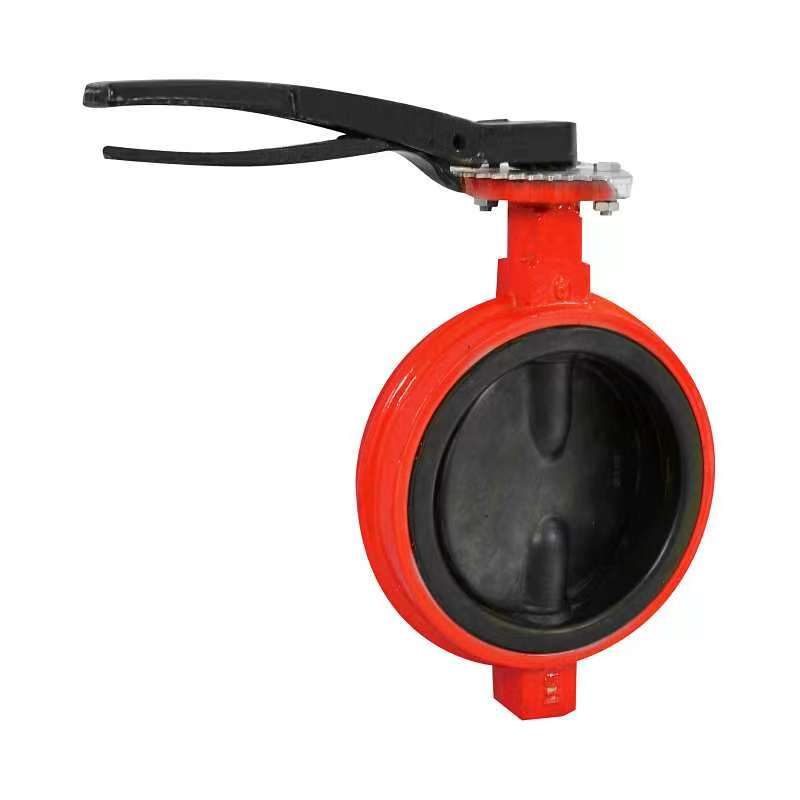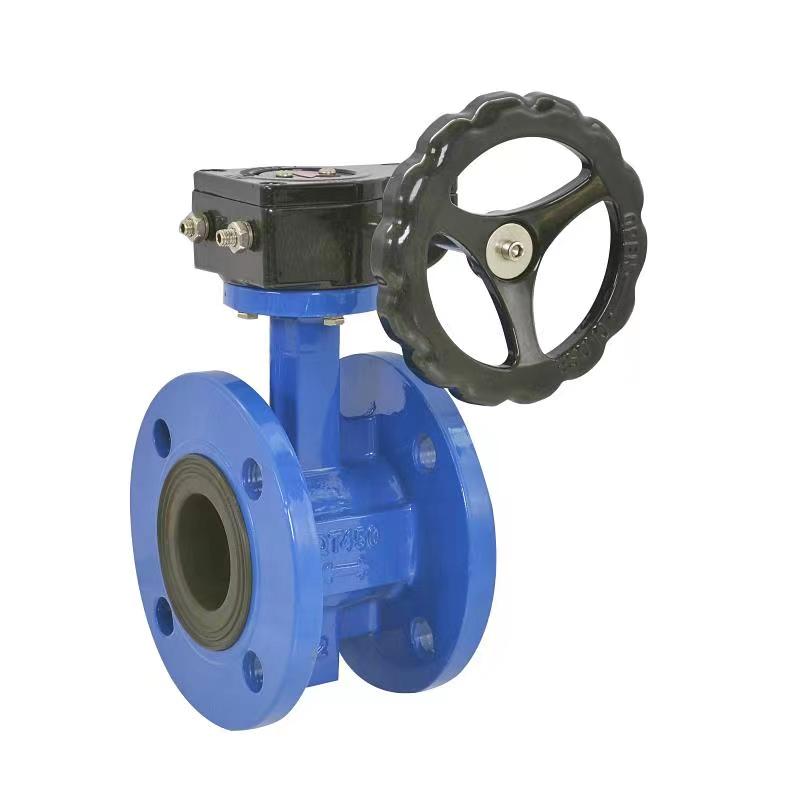
Abstract · This article provides a comprehensive technical analysis of the Acid Alkali Special Stainless Steel Flange Butterfly Valve, examining its design principles, material composition, and performance characteristics. The discussion covers corrosion resistance mechanisms, flange connection standards, flow control features, and application considerations drawn from industry specifications and engineering practices.
01. Metallurgical Architecture and Corrosion Resistance
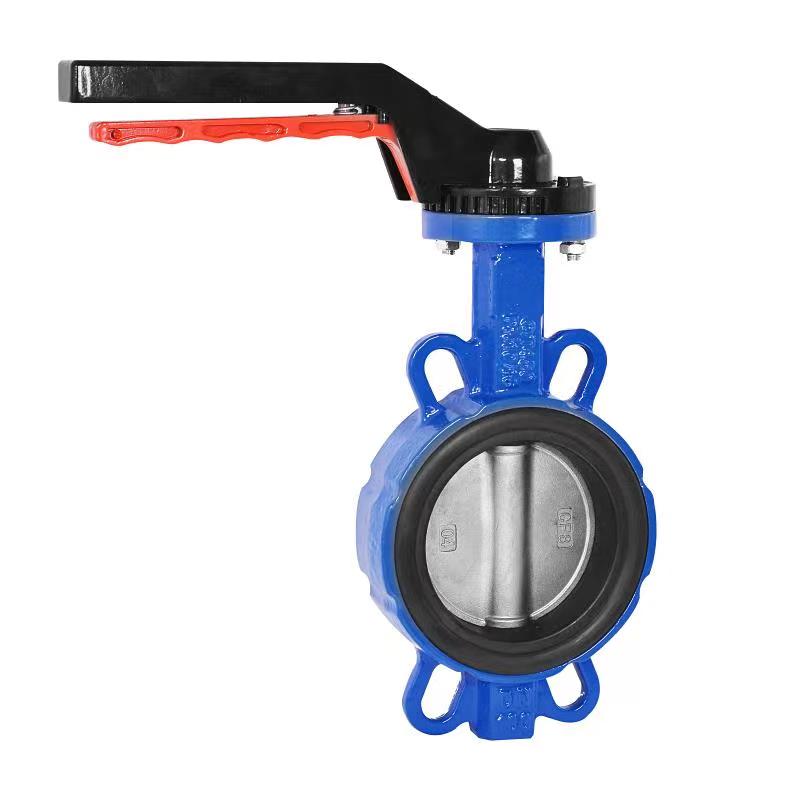
The Acid Alkali Special Stainless Steel Flange Butterfly Valve employs a full stainless steel construction, typically utilizing grades such as CF8M (316 stainless steel) or 304 stainless steel for both the valve body and disc [citation:1]. This material selection is critical for applications involving aggressive chemical media, as the chromium and nickel content provide passive oxide layers that resist pitting and crevice corrosion [citation:5].
For more demanding acid-alkali services, manufacturers often specify CF8M or 316L stainless steel, which offers enhanced resistance to chloride-induced stress corrosion cracking. Some designs incorporate a PTFE lining on the stainless steel body, isolating the metal surfaces from the fluid and extending the service life of the valve [citation:1][citation:4]. This combination of materials allows the valve to handle a broad spectrum of corrosive media, including solutions with pH values from 0 to 14 [citation:1].
CF8M (316), SS304, SS316L
PTFE, PFA, TFM
Duplex SS, 17-4 PH SS
02. Flange Connection Standards and Mechanical Interface
Designed to comply with API 609, EN 593, BS 5155, and ISO 5752 structural length standards [citation:5].
Available in PN10, PN16, Class 150 LB, and JIS 10K configurations [citation:5][citation:6].
Flange dimensions follow DIN2501, ANSI B16.5, EN1092, and ASME B16.1, ensuring seamless integration [citation:5].
ISO 5211 top flange facilitates mounting of pneumatic, electric, or hydraulic actuators [citation:5].
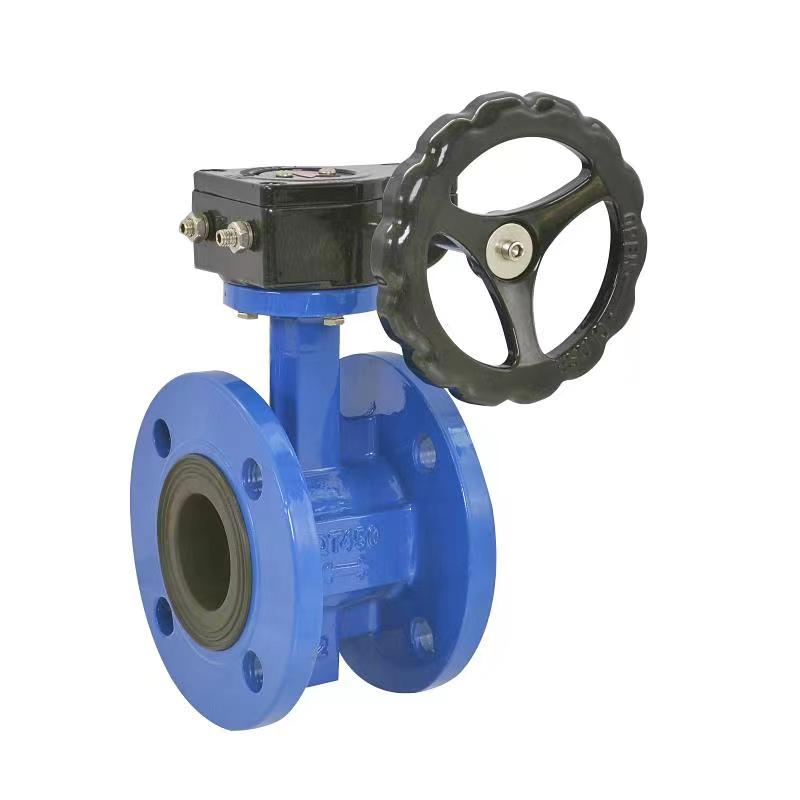
The flange connection design ensures a stable mechanical interface to the piping system. Flange flatness is typically maintained within ≤0.01mm to achieve EN 12266 Grade A sealing [citation:1]. For corrosive services, the use of stud bolts made from stainless steel or corrosion-resistant alloys is recommended. The double-flanged configuration also enhances the valve's ability to withstand higher pipe stress and vibration without compromising the seal [citation:5].
03. Sealing Mechanisms and Leakage Prevention
The sealing performance of the Acid Alkali Special Stainless Steel Flange Butterfly Valve is achieved through a combination of seat materials and design geometry. Soft-seated designs utilize elastomeric seals such as EPDM, PTFE, or NBR, which provide bubble-tight shutoff in low-pressure applications [citation:3][citation:10].
- PTFE-lining: Offers superior chemical resistance across a broad pH range; self-lubricating properties reduce friction and operating torque [citation:1].
- Metal-sealed configurations: For elevated temperatures (-29°C to 425°C), triple-offset metal seals eliminate friction between sealing surfaces, extending service life [citation:12].
- Live-loaded stem sealing: Self-adjusting stem seals maintain zero-leakage performance over the valve's operational life, complying with ISO 15848-1 low-emission standards [citation:4][citation:9].
Performance Attribute: PTFE-lined valves from established manufacturers demonstrate compatibility with 98% sulfuric acid and 40% hydrofluoric acid, maintaining seal integrity at operating temperatures up to 120°C [citation:1].
04. Flow Control Performance and Actuation Options
The butterfly valve design inherently provides low pressure drop and high flow capacity due to the streamlined disc geometry. When fully open, the disc is positioned parallel to the flow direction, offering minimal flow obstruction [citation:5].
| Parameter | Typical Specification |
|---|---|
| Size Range | DN50 to DN600 (2" to 24") |
| Pressure Ratings | PN10, PN16, Class 150 LB |
| Temperature Range (PTFE Lined) | -29°C to 120°C (peak 150°C) |
| Temperature Range (Metal Sealed) | -30°C to 425°C |
| Actuation Options | Manual (lever/worm gear), Pneumatic, Electric |
Actuation flexibility is a key feature. Manual operation is available through levers or worm gearboxes, while pneumatic and electric actuators enable remote control and integration into automated process systems [citation:2][citation:12]. For fine flow regulation, modulating actuators with positioners are available, offering precise control in critical chemical process applications.
05. Chemical Compatibility and Media Resistance
The Acid Alkali Special Stainless Steel Flange Butterfly Valve is engineered for compatibility with a wide spectrum of aggressive media, making it suitable for chemical, pharmaceutical, and electroplating industries [citation:1][citation:5].
- Acids: Sulfuric acid, hydrochloric acid, nitric acid, phosphoric acid, acetic acid.
- Alkalis: Sodium hydroxide, potassium hydroxide, caustic solutions.
- Solvents: Organic solvents, alcohols, ketones, and chlorinated hydrocarbons.
- Oxidizing Agents: Chlorine, ozone, hydrogen peroxide, and other strong oxidizers [citation:9].
- Ultrapure Applications: Semiconductor manufacturing, reverse osmosis systems, and ultrapure water loops [citation:9].
For highly permeable chemicals such as chlorine gas and organic solvents, manufacturers recommend PFA-lined valves, which offer 50% lower permeability than conventional PTFE [citation:9][citation:11]. The chemical resistance of the valve lining can be verified using tools like the Bürkert resistApp, which provides compatibility data for media-material combinations [citation:7].
06. Quality Assurance and Compliance Frameworks
The engineering and manufacturing of these valves are governed by rigorous quality and safety standards to ensure reliability in critical corrosive services.
- Design Standards: API 609, EN 593, BS 5155, ISO 5752 establish structural dimensions and performance testing criteria [citation:5].
- Pressure Testing: API 598, ISO 5208, and EN 12266-1 specify shell test (typically 1.5x rating) and seat test (1.1x rating) protocols [citation:5].
- Material Certifications: ASTM and EN material standards ensure traceability for stainless steel castings and PTFE linings [citation:1][citation:5].
- Safety Integrity: Valves can be certified to SIL 3 (IEC 61508) for safety-critical applications [citation:4][citation:9].
- Emissions Compliance: ISO 15848-1 certification for fugitive emissions control is available [citation:9].
End-users are advised to select suppliers who maintain ISO 9001:2015 quality management certification and offer fully documented material test reports to support regulatory compliance in chemical plant environments [citation:5].
Frequently Asked Questions
Technical specifications and compatibility data are provided for reference. Always consult the manufacturer's documentation for your specific media and operating conditions.