Abstract · This article provides a detailed technical examination of the Copper Core Copper Rod Threaded Gate Valve, exploring its construction, sealing mechanisms, and critical role in water flow control systems. The discussion covers material composition, threaded connection standards, pressure ratings, and the engineering considerations that ensure reliable operation and long service life in residential and commercial plumbing.
01. Construction and Material Composition
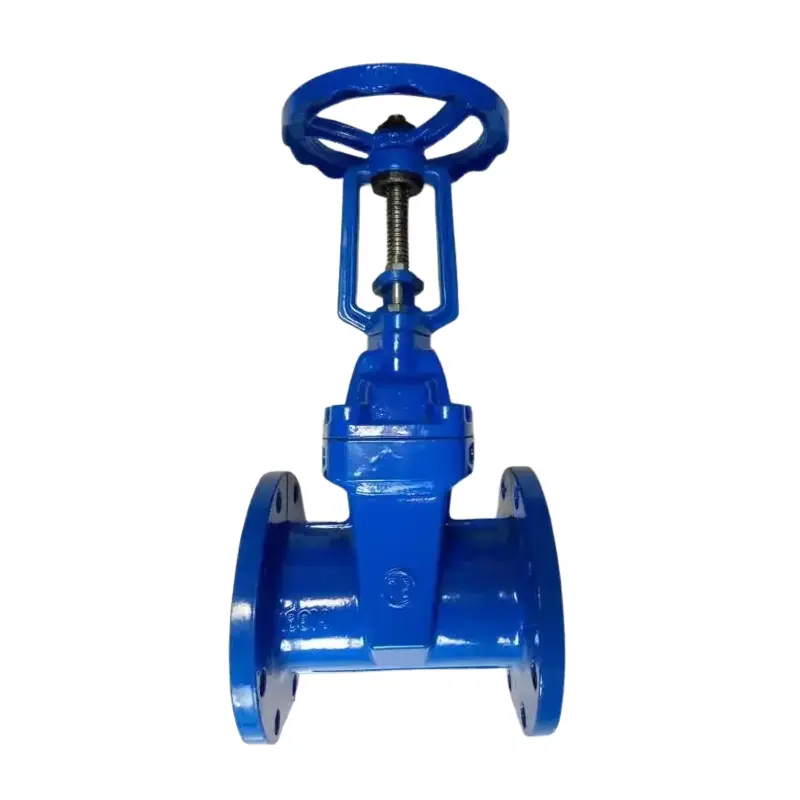
The Copper Core Copper Rod Threaded Gate Valve is constructed with a copper core and copper rod, materials selected for their excellent corrosion resistance, thermal conductivity, and durability in water systems. The valve body is typically made from brass or bronze, which offers good machinability and resistance to dezincification.
The copper rod serves as the gate stem, connecting the handwheel to the gate disc. Copper's natural resistance to corrosion ensures that the stem remains smooth and free-moving over the valve's service life, even in hard water or slightly acidic conditions. The gate disc is typically made from brass or a copper alloy, providing a tight seal against the valve seat. The packing material around the stem prevents water from leaking out of the valve body.
Brass or bronze
Copper rod
Brass or copper alloy
02. Gate Mechanism and Sealing Principles
The stem rises as the valve opens, providing visual indication of position
The stem remains fixed, suitable for installations with limited vertical clearance
The gate disc wedges against the seat to create a tight seal
Compresses packing material around the stem to prevent leakage
The gate valve operates by raising or lowering a gate disc within the valve body. When the handwheel is turned, the copper rod stem rotates, moving the gate disc up or down. In the fully open position, the gate disc is completely retracted, allowing unobstructed flow. In the fully closed position, the gate disc seats against the valve body, blocking flow. The Copper Core Copper Rod Threaded Gate Valve is designed for on/off service rather than throttling, as partial opening can cause the gate disc to vibrate and wear.
Operation Note: Gate valves should be operated in either the fully open or fully closed position. Using a gate valve for throttling can lead to premature wear of the gate disc and seat, reducing the valve's service life.
03. Threaded Connection Standards and Compatibility
The threaded connection is a defining feature of the Copper Core Copper Rod Threaded Gate Valve, enabling quick and easy installation in residential and commercial plumbing systems. The valve is available with NPT, BSP, or metric threads to suit different regional standards.
- NPT Threads: National Pipe Thread (tapered) per ASME B1.20.1; common in North America.
- BSP Threads: British Standard Pipe; available in BSPT (tapered) and BSPP (parallel).
- Metric Threads: DIN 3852 and ISO 228 standards for European and global applications.
- Size Range: Typically 1/2" to 2" NPT/BSP; larger sizes available with flanged connections.
- Sealing: Thread sealant or PTFE tape is used to ensure a leak-free connection.
The threaded connection simplifies installation and allows for easy removal and replacement during maintenance. It is important to match the thread type and size precisely to the existing piping system to ensure a leak-free connection.
04. Pressure Ratings and Flow Performance
The Copper Core Copper Rod Threaded Gate Valve is designed to handle the pressures and flow rates typical of residential and light commercial water systems.
| Parameter | Typical Specification | Application Note |
|---|---|---|
| Pressure Rating | 150 psi to 300 psi (WOG) | Water, oil, gas service |
| Temperature Range | -10°C to +120°C | Standard water systems |
| Size Range | 1/2" to 2" | Standard plumbing sizes |
| Flow Coefficient (Cv) | Varies with size | High flow capacity when fully open |
| Body Test Pressure | 1.5× rated pressure | Shell test for integrity |
| Seat Test Pressure | 1.1× rated pressure | Leakage test for tight shutoff |
Based on typical specifications for brass gate valves.
The pressure rating indicates the maximum pressure the valve can withstand at ambient temperature. Gate valves are known for their low pressure drop when fully open, making them ideal for applications where flow capacity is important.
05. Installation and Maintenance Practices
Proper installation and maintenance ensure the reliable performance and long service life of the Copper Core Copper Rod Threaded Gate Valve.
- Installation Orientation: Gate valves can be installed in horizontal or vertical piping, but the stem should preferably be vertical or at an angle to allow proper operation.
- Thread Preparation: Clean the threads and apply PTFE tape or thread sealant before assembly to prevent leaks.
- Support: Ensure that the piping supports the valve and prevents stress on the threaded connections.
- Operation: Open and close the valve slowly to avoid water hammer and sudden pressure surges.
- Maintenance: Periodically check for leaks at the packing gland and tighten if necessary. Replace worn packing or gate discs as needed.
06. Application Domains and Industry Benefits
The copper core copper rod threaded gate valve is used in a wide range of water flow control applications.
- Residential Plumbing: Main water shutoff valves, water heater isolation, and branch line control.
- Commercial Buildings: Isolation valves for water distribution systems, HVAC, and fire protection lines.
- Irrigation Systems: Flow control for sprinkler and drip irrigation zones.
- Industrial Process Water: Isolation valves for cooling water and process water lines.
- Marine and Offshore: Seawater and freshwater systems requiring corrosion-resistant valves.
- Water Treatment: Isolation valves in treatment plants and distribution networks.
The combination of corrosion resistance, reliable sealing, and ease of installation makes the copper core copper rod threaded gate valve a practical choice for a wide range of water flow control applications.
Frequently Asked Questions
Product specifications and availability may vary. Always consult the manufacturer's documentation for your specific application requirements.