News

How to achieve fast opening and closing of ball valves?

2026-01-09 0 Leave me a message

The rapid opening and closing of ball valves mainly relies on their rotating structure design and low friction sealing mechanism. The specific principle is as follows:


1. 90 ° rotation opening and closing

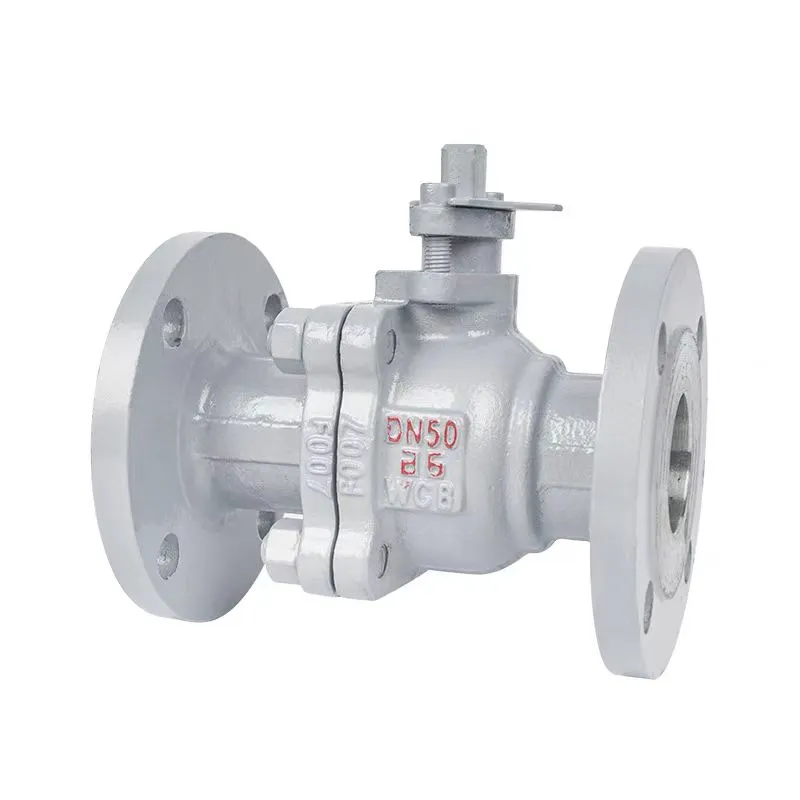
The valve core of the ball valve is spherical and has a through-hole inside. When the handle or driving device drives the ball to rotate 90 °, the through-hole and valve body channel change from completely aligned (open) to perpendicular (closed), or operate in the opposite direction. This design allows the opening and closing action to be completed in just a quarter of a turn, much faster than valves such as gate valves and globe valves that require multiple turns of rotation.

2. Low torque design

Streamlined sphere: The surface of the sphere is smooth, with low resistance when fluid passes through. When opened, the medium pressure can assist in pushing the sphere, reducing operating torque.

Floating or fixed ball structure:

Floating ball valve: The ball floats downstream towards the sealing surface under the pressure of the medium, forming a self seal, and the operating force only needs to overcome the friction of the sealing ring.

Fixed ball valve: The ball is fixed by upper and lower valve stems and is suitable for high-pressure scenarios. It reduces rotational friction through bearings while maintaining low torque characteristics.

3. Optimization of sealing structure

Elastic sealing ring: such as PTFE (polytetrafluoroethylene) or metal sealing ring, tightly adheres to the sphere under pre tension, but has a low friction coefficient and low resistance during rotation.

Bidirectional sealing: Some ball valves are designed with bidirectional sealing, which can quickly cut off fluid regardless of the flow direction of the medium, without the need to adjust the operating direction.

4. Auxiliary driving device

Manual operation: The short handle or lever design can amplify the operating force and achieve rapid rotation.

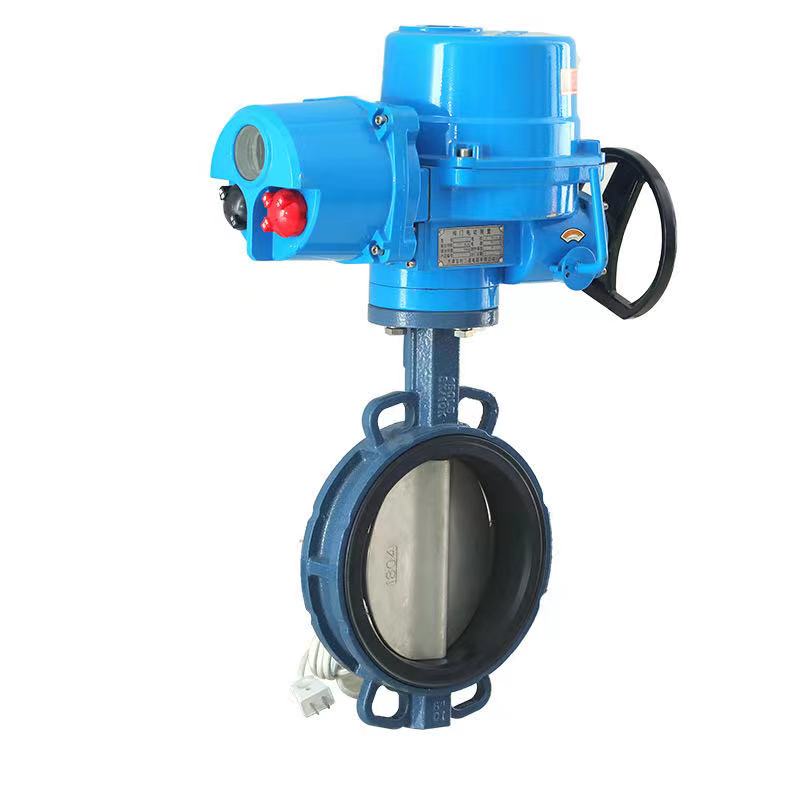
Electric/pneumatic actuator: Driven by a motor or cylinder, it can complete opening and closing within 0.5-5 seconds and is suitable for automation control systems.

Typical application scenarios

Emergency shutdown: such as fire protection systems and gas pipelines, need to be shut down within a few seconds to prevent the accident from escalating.

High frequency regulation: For flow control in chemical processes, it is necessary to quickly switch the opening to maintain stable process parameters.

Summary: Ball valves have achieved opening and closing speeds far exceeding those of other valves through 90 ° rotation, low torque design, seal optimization, and drive device assistance, making them the preferred choice for quick response scenarios.


Related News
Leave me a message
X
We use cookies to offer you a better browsing experience, analyze site traffic and personalize content. By using this site, you agree to our use of cookies. Privacy Policy
Reject Accept