News

How to precisely regulate the flow rate of butterfly valves?

2026-01-13 0 Leave me a message

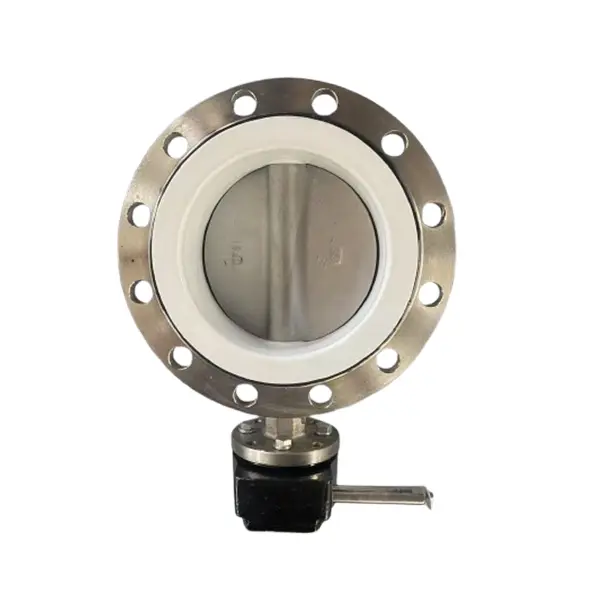
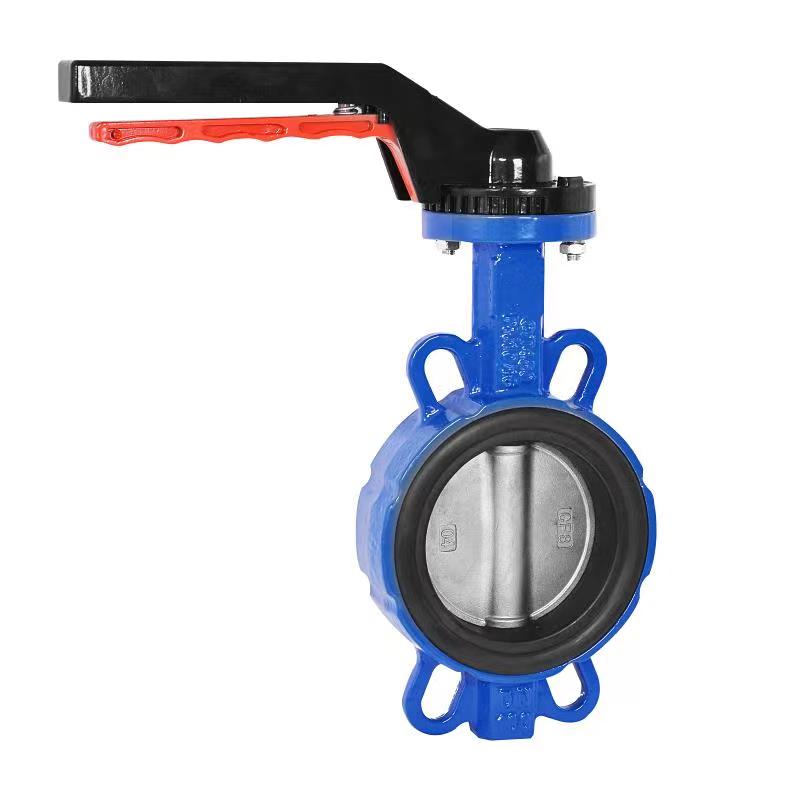
Accurate control of butterfly valve flow requires comprehensive consideration of multiple factors and targeted measures. Firstly, the selection of butterfly valves is crucial. Suitable specifications and types of butterfly valves should be selected based on the flow range, pressure requirements, and medium characteristics of the actual operating conditions. For example, in situations where high-precision regulation is required and the medium is a clean fluid, soft sealed butterfly valves can be used, which have good sealing performance and can reduce the impact of internal leakage on flow regulation; If the medium contains particulate impurities, a hard sealed butterfly valve is more suitable to avoid the sealing surface from being worn and affecting the adjustment accuracy.

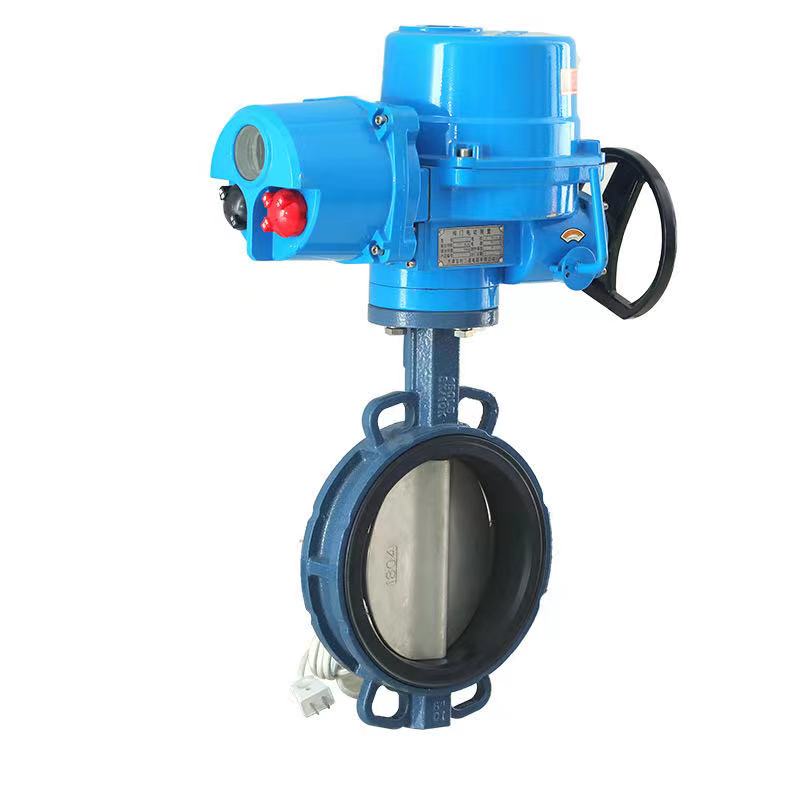
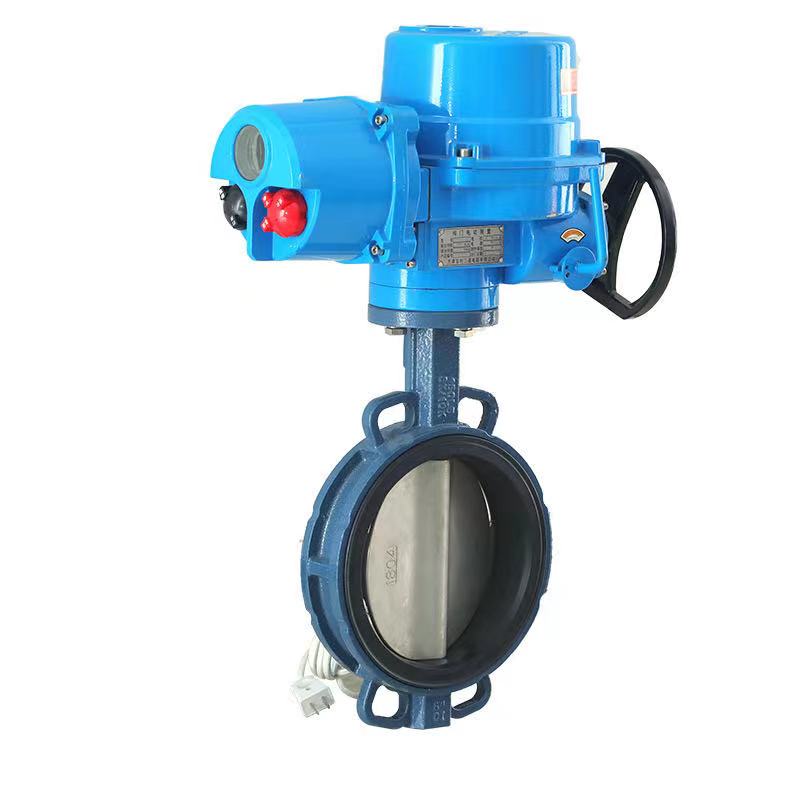
Secondly, the selection and debugging of the actuator are key steps. Electric actuators have the characteristics of fast response speed and high adjustment accuracy. By accurately setting their control parameters, such as the accuracy of the opening control signal and the response time of the actuator, precise control of the butterfly valve opening can be achieved, thereby accurately adjusting the flow rate; Pneumatic actuators need to ensure stable supply of gas and precise control of pressure. By adjusting the pneumatic control valve to change the air pressure entering the actuator, the opening of the butterfly valve can be accurately controlled to achieve precise flow control.

Furthermore, the installation process cannot be ignored. Butterfly valves should be installed on horizontal pipelines, and the valve shaft should be kept in a horizontal position to avoid changes in fluid flow state caused by installation tilt, which may affect the accuracy of flow regulation; At the same time, it is necessary to ensure that the length of the straight pipe sections before and after the butterfly valve meets the requirements. Generally, the length of the front straight pipe section is not less than 10 times the pipe diameter, and the length of the rear straight pipe section is not less than 5 times the pipe diameter, so that the fluid can form a stable flow state before entering the butterfly valve, reduce the interference of eddy currents and turbulence on flow measurement, and provide accurate basic data for precise control.

In addition, in the actual operation process, it is necessary to use flow measurement instruments such as turbine flow meters, electromagnetic flow meters, etc. to monitor the flow in real time. The measured flow signals are fed back to the control system, and the control system automatically adjusts the opening of the butterfly valve based on the deviation between the set flow value and the actual measurement value, forming a closed-loop control and achieving precise flow control; At the same time, regular maintenance and upkeep of butterfly valves, checking the wear of seals, the flexibility of valve shafts, and timely replacement of damaged components are important measures to ensure that butterfly valves are always in good working condition and precise flow control.


Related News
Leave me a message
X
We use cookies to offer you a better browsing experience, analyze site traffic and personalize content. By using this site, you agree to our use of cookies. Privacy Policy
Reject Accept